Top science fiction movies exploring social inequality and dystopia
If you enjoy the high-stakes class struggle and futuristic grit found in Elysium, these films explore similar themes of social stratification and dystopian survival. Discover essential science fiction stories that challenge the status quo through immersive world-building.



The allure of films like Elysium lies in their ability to use high-concept science fiction as a mirror for our own societal anxieties. We are drawn to these stories not just for the sleek technology or the intense action sequences, but for the visceral exploration of inequality. Whether it is the resource-starved train of Snowpiercer or the genetically stratified society of Gattaca-adjacent narratives, these films excel at making the political feel intensely personal.
It is worth noting that director Neill Blomkamp, who helmed both Elysium and District 9, has a signature talent for blending gritty, handheld realism with cutting-edge visual effects. This aesthetic choice grounds the fantastical elements, making the social commentary feel urgent rather than abstract. Many of the films in this collection share this DNA, prioritizing the human cost of progress over mere spectacle. From the neon-drenched melancholy of Blade Runner 2049 to the relentless pace of In Time, these stories remind us that the most compelling science fiction is rarely about the future; it is always about the choices we make today. Dive into these selections to see how cinema has consistently used the lens of the future to critique the structures of the present.
14. The Giver (2014)
Based on the beloved novel, this film presents a seemingly perfect society that hides a dark, controlled reality. It explores the loss of individuality and the importance of history, which are themes that often intersect with the dystopian genre. While it is more restrained and targeted toward a younger audience, it raises interesting questions about the price of peace and the necessity of pain for the human experience. It is a gentle, thoughtful entry compared to the louder, more explosive films on this list.

13. The Maze Runner (2014)
A group of young men trapped in a shifting, mechanical labyrinth must work together to find a way out. It is a straightforward mystery-thriller that excels at creating a sense of dread and curiosity. The central mystery of why they are there and who put them in the maze keeps the momentum going, even if it lacks the complex social commentary found in higher-ranked entries. It is a solid, well-paced survival story.

12. The Fifth Element (1997)
Luc Besson brings a colorful, operatic energy to this space-faring adventure. While much lighter in tone than the gritty realism of Elysium, it shares the same love for elaborate, futuristic world-building and larger-than-life villains. The costume design by Jean-Paul Gaultier is iconic, and the sheer creativity on display makes it a fun, campy romp. It is a classic example of French-influenced sci-fi that refuses to take itself too seriously.

11. Equilibrium (2002)
A fascinating blend of martial arts and dystopian control, this film imagines a world where human emotion is suppressed to prevent war. It is a stylized, rigid world that feels like a precursor to many modern YA adaptations. Christian Bale plays a man tasked with enforcing this emotional ban, and the film does an excellent job of showing the slow cracks in his stoic facade. The fight choreography, known as Gun Kata, is a unique stylistic choice that gives the film a distinct look and feel.

10. Total Recall (2012)
This remake of a classic sci-fi tale focuses on the blurred lines between memory and reality. It features some of the most impressive set designs of its era, with a sprawling, multi-layered city that feels like a cousin to the space stations of other dystopian films. The action is heavy, kinetic, and relentless, focusing on the confusion of a man who suddenly realizes his entire life might be a fabrication. It is a solid entry in the genre that prioritizes visual spectacle above all else.

9. The Island (2005)
Michael Bay brings his signature explosive style to this clone-centric thriller. It explores the darker side of medical progress and the commodification of human life for the wealthy. While it trades deep philosophical inquiry for high-octane chase sequences, it shares the same DNA as Elysium regarding the exploitation of the lower class by those in power. It is an entertaining, fast-paced ride that doesn't overstay its welcome.

8. The Hunger Games (2012)
This massive franchise starter captures the desperation of a society obsessed with spectacle and control. The stark contrast between the lavish, decadent Capitol and the resource-depleted Districts mirrors the core conflict of Elysium. Jennifer Lawrence carries the weight of the film with a grounded intensity that makes the high-concept dystopian setting feel personal and urgent. It is a well-oiled machine of a movie that successfully balances teen-focused drama with darker, systemic political themes.
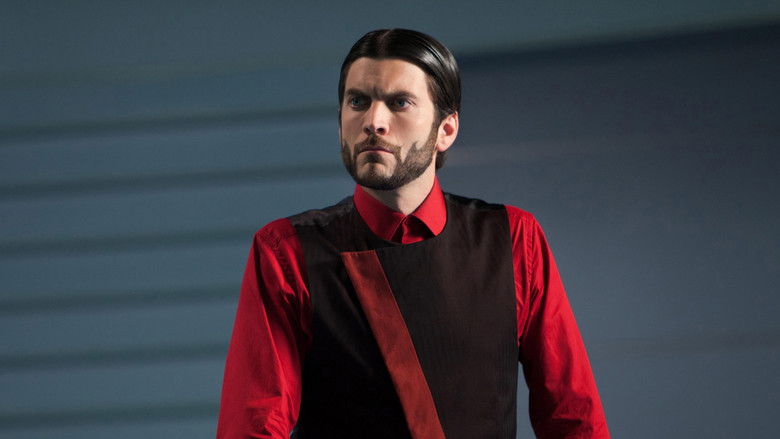
7. Oblivion (2013)
Joseph Kosinski delivers a visually polished post-apocalyptic mystery that feels like a love letter to the sci-fi epics of the 70s. Tom Cruise plays a drone repairman on a desolate Earth, and the film excels at creating a sense of isolation against a backdrop of pristine, futuristic tech. While it is more focused on mystery than social commentary, the production design and the score by M83 provide an immersive experience that keeps you guessing until the final act.
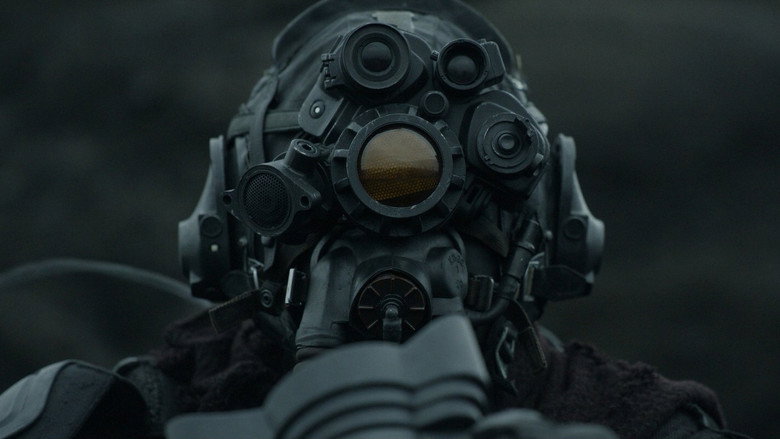
6. Chappie (2015)
Blomkamp returns to his signature robot-filled streets in this story about a sentient police droid. It is a chaotic, heartfelt exploration of artificial intelligence that leans into the director's love for gritty tech and urban decay. The motion capture performance by Sharlto Copley gives the titular character a childlike wonder that contrasts sharply with the violent, crime-ridden reality surrounding him. Despite its flaws, it offers a refreshing, unconventional perspective on the classic Frankenstein archetype.

5. In Time (2011)
In a world where time is literally money, this film presents a unique take on economic inequality. The premise is fascinating: people stop aging at 25 and must earn minutes to stay alive, creating a literal ticking clock that keeps the tension high. Andrew Niccol, who previously wrote The Truman Show, excels at building these high-concept worlds that mirror our own societal anxieties. It is a sleek, stylish thriller that turns the abstract concept of wealth into a tangible, life-or-death struggle.

4. Blade Runner 2049 (2017)
Denis Villeneuve crafts a stunning, meditative expansion of the original cyberpunk classic. While Elysium focuses on the immediate physical divide between classes, this film explores the existential loneliness of those left behind in a decaying world. Roger Deakins cinematography is nothing short of breathtaking, painting a future of orange-hued deserts and neon-drenched rain that demands to be seen on the largest screen possible. It is a slow-burn experience that rewards patience with deep questions about what it means to possess a soul in a synthetic world.

3. Snowpiercer (2013)
Bong Joon-ho brings his unparalleled vision to this claustrophobic, high-stakes thriller set entirely on a train that never stops. The social hierarchy is physically manifested in the carriages, with the poor suffering in the back while the wealthy indulge in the front. It is a visceral, relentless ride that balances brutal action with sharp social commentary. Chris Evans delivers a raw, desperate performance that anchors the chaos, while Tilda Swinton provides a bizarre, unforgettable turn as a government stooge. The production design is a marvel of efficiency, turning a single moving set into a sprawling, complex universe.
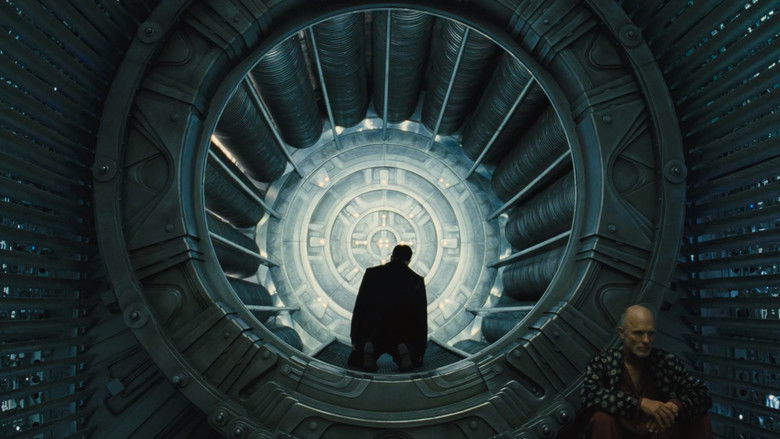
2. The Matrix (1999)
The Wachowskis redefined the action genre with this genre-bending odyssey that questions the very nature of reality. Much like the class struggles depicted in Elysium, this film explores the divide between those plugged into the simulation and the few fighting for liberation. Its influence is immeasurable, from the iconic bullet-time photography to the philosophy-heavy dialogue that sparked countless late-night debates. The contrast between the cold, sterile digital world and the dark, grimy reality of the Zion survivors provides a visual texture that remains striking decades later. It is essential viewing for anyone who loves high-concept science fiction.

1. District 9 (2009)
Neill Blomkamp burst onto the scene with this gritty, documentary-style masterpiece that feels like the spiritual sibling to Elysium. Set in a segregated Johannesburg where aliens are forced to live in squalid camps, the film uses its sci-fi premise to deliver a biting critique of apartheid and social injustice. Sharlto Copley delivers a career-defining performance as Wikus, an unassuming bureaucrat whose transformation is both physically grotesque and emotionally devastating. The practical effects and rusted, industrial aesthetic create a world that feels dangerously lived-in and authentic. It is a masterclass in tension and world-building that hits harder with every rewatch.