Top movies about the Manhattan project and the atomic bomb age
Explore the cinematic history of the atomic age and the development of the nuclear bomb. Discover films that examine the legacy of the Manhattan Project and the global impact of nuclear warfare.



The shadow of the mushroom cloud has loomed over cinema since the first tests at Los Alamos. While Christopher Nolan's 'Oppenheimer' brought the intense moral struggle of the atomic bomb's father back to the forefront, the medium has explored this dark chapter for decades through both gripping drama and stark documentary.
What makes this topic so compelling is the shift in perspective: from the initial scientific exhilaration of 'The Manhattan Project' to the cold, satirical dread found in Stanley Kubrick's 'Dr. Strangelove'. It is fascinating to note how early films like 'The Beginning or the End'—produced just two years after the war—struggled to frame the tragedy, whereas later works like 'Threads' or 'The Day After' leaned into the terrifying, visceral reality of a post-nuclear world. Whether through the technical archives of 'Trinity and Beyond' or the humanistic approach of 'Hiroshima Mon Amour', these films collectively map out humanity's ongoing confrontation with its own capacity for destruction. Understanding this history is essential for anyone interested in how art processes the most significant scientific shift of the 20th century.
14. The Bomb (2015)
This film attempts a more abstract, experimental look at the nuclear age, utilizing found footage and a pulsing score to create a sense of unease. It is less concerned with the specific history of the Manhattan Project and more focused on the overarching, lingering dread of living under the shadow of the mushroom cloud. It is an artistic, mood-driven piece that serves as a meditative companion to more traditional historical accounts.
13. The Beginning or the End (1947)
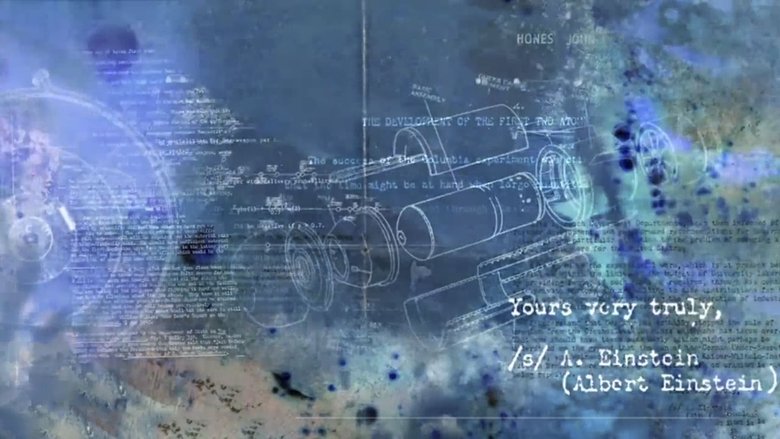
Released just two years after the war ended, this film is a fascinating artifact of how the government initially wanted to frame the invention of the bomb. It was made with the cooperation of the U.S. government, and its narrative is heavily sanitized to justify the use of the weapon. It is a clear example of historical revisionism, making it more interesting as a piece of political propaganda than as a piece of cinema.

12. The Manhattan Project (1986)
A rare teen-thriller take on the subject, this film follows a high school student who manages to build a working nuclear device for a science fair project. While the premise is clearly far-fetched, it captures a specific 80s anxiety about nuclear proliferation that was prevalent in pop culture at the time. It is an odd, entertaining curiosity that treats the concept of the bomb with a mix of earnestness and B-movie sensibilities.

11. Fat Man and Little Boy (1989)
This dramatization stars Paul Newman as General Leslie Groves and Dwight Schultz as J. Robert Oppenheimer, focusing heavily on the clashing personalities and the intense logistical pressure of the Manhattan Project. While it plays loose with some historical details, it does a decent job of highlighting the friction between the military leadership and the scientists tasked with building the weapon. It is a solid, conventional historical drama that benefits from strong central performances.

10. Dark Circle (1982)
This documentary shifts the focus to the environmental and human cost of the nuclear industry, specifically looking at the Rocky Flats plant. It connects the dots between the bomb-making process and the hidden contamination left behind in communities. It is a vital piece of investigative filmmaking that highlights the domestic dangers of the nuclear arms race, often overlooked in favor of the global geopolitical narrative.
9. The Day After (1983)
When this aired on American television in 1983, it reportedly paralyzed the country, with millions tuning in to see a realistic depiction of a nuclear exchange between the US and the Soviet Union. It is a somber, devastating look at ordinary families trying to survive the impossible. While its production values show its age, the emotional impact of seeing the lights go out on the heartland of America remains undeniably heavy.

8. Trinity and Beyond: The Atomic Bomb Movie (1995)
This is a treasure trove for history buffs, compiling declassified footage of nuclear tests that were once top secret. Seeing the actual, massive scale of these explosions in high quality is a jarring experience that underscores the sheer destructive power humanity unlocked. It is a straightforward, visually striking chronicle of the atomic era's most explosive moments, serving as a stark reminder of what those early scientists were actually unleashing.
7. The War Game (1966)
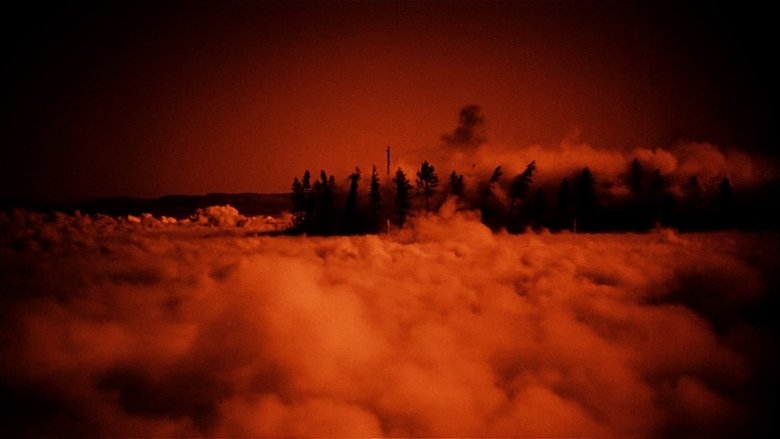
Commissioned by the BBC but banned for nearly two decades because it was deemed too terrifying for public broadcast, this film uses a documentary-style approach to depict a nuclear strike on Britain. Its stark, pseudo-newsreel aesthetic makes the unfolding chaos feel disturbingly authentic. It is a grueling watch, stripping away all cinematic artifice to focus on the raw, administrative, and physical breakdown of civilization.

6. Hiroshima Mon Amour (1959)
While it focuses on the aftermath of Hiroshima, this French New Wave classic is deeply intertwined with the trauma of the atomic age. Through a poetic, non-linear narrative, it explores how memory and history are impacted by such cataclysmic events. It is a haunting, beautiful meditation on loss that grounds the abstract horror of nuclear war in the very personal, fractured experience of two lovers in a city defined by its scars.
5. The Atomic Cafe (1982)
Using only archival footage, this film serves as a surreal time capsule of the pro-nuclear propaganda that saturated American culture during the mid-20th century. It is a fascinating, often disturbing look at how the government tried to normalize the threat of nuclear war through catchy jingles and instructional films. It does not need a narrator to make its point; the juxtaposition of cheery government messaging against the reality of atomic testing creates a chilling irony that hits harder than any commentary.
4. The Day After Trinity (1981)
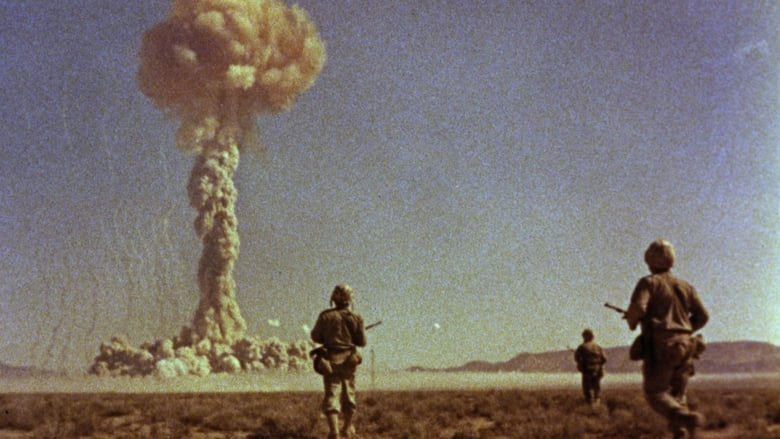
This documentary is indispensable for understanding the real people behind the Manhattan Project. It features candid interviews with scientists who actually worked at Los Alamos, providing a firsthand perspective that scripted dramas often struggle to replicate. It captures the specific mix of intellectual thrill and moral dread that defined the creation of the bomb. Watching these men grapple with their legacy is a sobering, deeply human experience.

3. Threads (1985)
If you think you have seen bleak, wait until you watch this British television masterpiece. It presents a terrifyingly grounded look at the aftermath of a nuclear attack on Sheffield, ignoring any sense of heroics for a brutal, cold examination of societal collapse. It is so unflinching and realistic that it reportedly left its original 1984 audience in a state of genuine shock. This is not a fun watch, but it is a necessary one for anyone interested in the true, unvarnished consequences of the atomic age.

2. Dr. Strangelove or: How I Learned to Stop Worrying and Love the Bomb (1964)
Stanley Kubrick took the terrifying reality of nuclear annihilation and somehow turned it into the sharpest, most cynical satire ever put on film. Peter Sellers is a force of nature, pulling triple duty in roles that highlight the absurdity of Cold War logic. It is a masterclass in dark comedy that remains scarily relevant, proving that sometimes the only way to process the prospect of total apocalypse is through biting, uncontrollable laughter. The war room set design is iconic, and the sheer audacity of the script is something modern cinema rarely dares to attempt.
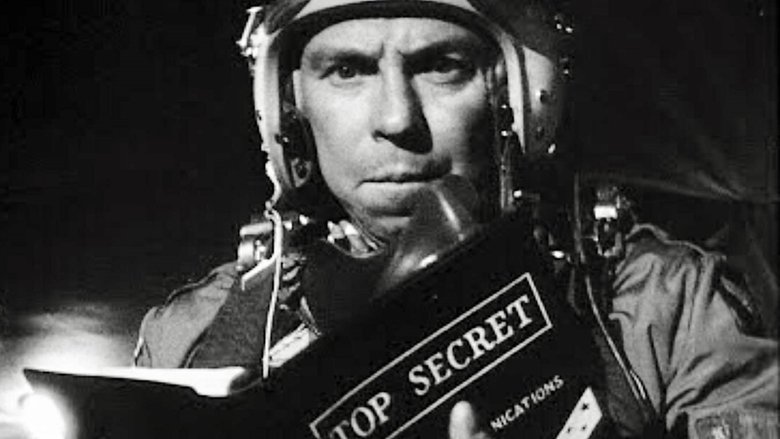
1. Oppenheimer (2023)
Christopher Nolan crafts a breathless, psychological portrait of J. Robert Oppenheimer that feels less like a traditional biopic and more like a high-stakes thriller. Cillian Murphy delivers a haunting performance, capturing the internal struggle of a man who realized he was effectively handing humanity the tools for its own extinction. The sound design is absolutely bone-chilling, particularly during the Trinity test sequence, which eschews CGI for practical effects to create a visceral, terrifying sense of reality. This is an essential study of ego, political betrayal, and the crushing weight of scientific discovery.