Top 14 psychological thrillers that challenge your perception of reality
Explore the psychological thrillers and complex narratives that challenge perception and demand complete attention. These films are designed to dismantle your understanding of reality by the final scene.

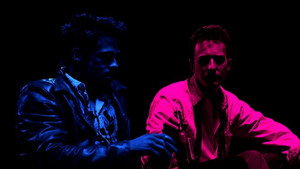

What defines a true cinematic puzzle? It is not merely a twist ending, but a complete restructuring of the narrative logic that forces you to re-evaluate everything you just watched. Take, for instance, the sheer dedication required for roles like Christian Bale in The Machinist, where his extreme physical transformation mirrors the character's deteriorating mental state. Or consider the narrative architecture of Memento, which famously utilizes a non-linear structure to force the audience into the same confused perspective as its protagonist.
Many of these films, like Primer, were crafted on shoestring budgets yet manage to present complex temporal mechanics that even seasoned physicists find intriguing. Whether it is the surreal dreamscapes of Mulholland Drive or the stark, societal deconstruction found in Fight Club, these stories thrive on ambiguity. The best films in this genre do not provide easy answers. Instead, they invite you to participate in the storytelling process, turning the viewing experience into an active investigation rather than a passive act. Prepare to question your own memory and the reliability of what you see on screen.
14. The Butterfly Effect (2004)
A thriller that explores the chaos theory through the lens of a man who discovers he can travel back into his own past. The film moves at a fast pace, constantly throwing new consequences at the protagonist as he tries to fix his life. It is a gritty, tension-filled ride that plays with the idea of how small choices can spiral into massive, irreversible changes. It is a solid entry in the genre of causal loop narratives.

13. The Machinist (2004)
Christian Bale's physical transformation for this role is legendary, as he lost a dangerous amount of weight to portray a man suffering from severe insomnia. The film is a bleak, monochromatic exploration of guilt and paranoia. Because the protagonist is an unreliable narrator, the audience is trapped in his distorted perspective, never quite sure what is real and what is a manifestation of his fractured mind.

12. Shutter Island (2010)
Martin Scorsese trades his usual crime dramas for a gothic psychological thriller set on a remote island asylum. The atmosphere is oppressive, with rain and fog constantly obscuring the truth. Leonardo DiCaprio gives a frantic, desperate performance as a marshal trying to solve a disappearance. It is a slow-burn mystery that relies heavily on its unsettling tone to keep you guessing until the very end.

11. Black Swan (2010)
A psychological descent into madness set within the high-stakes world of professional ballet. The film uses mirrors and reflections to emphasize the protagonist's fracturing psyche. Natalie Portman's commitment to the role is intense, and the body horror elements are used effectively to show the physical toll of perfectionism. It is a claustrophobic and haunting watch that blurs the line between artistic passion and obsession.

10. Donnie Darko (2001)
A dark, suburban sci-fi cult hit that captures the anxiety of teenage life perfectly. Jake Gyllenhaal's performance is eerie and compelling, anchoring a story that involves tangent universes, time travel, and a giant rabbit. It is a moody, atmospheric trip that leaves plenty of room for interpretation, making it a favorite for late-night discussions about fate and free will.

9. The Matrix (1999)
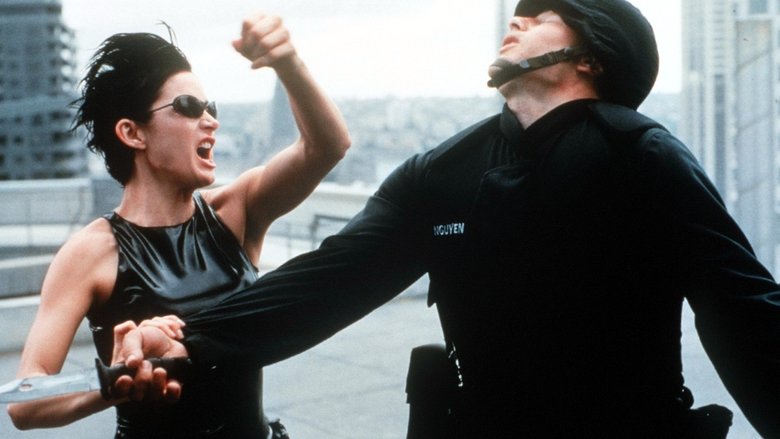
This film changed the visual language of action movies forever with its innovative use of bullet-time and philosophical underpinnings. It blends cyberpunk aesthetics with classic hero's journey tropes, creating a world that feels both artificial and profound. While the action is iconic, the questions it poses about control and perception keep it relevant decades later. It is a foundational text for high-concept genre cinema.
8. The Prestige (2006)
A dark tale of obsession between two rival magicians. The narrative structure mimics a magic trick itself: the pledge, the turn, and the prestige. Christian Bale and Hugh Jackman are electric as men consumed by their craft. The film rewards careful observation, as subtle clues are hidden in plain sight throughout the entire runtime, waiting for you to uncover them upon a second watch.

7. Eternal Sunshine of the Spotless Mind (2004)
A poignant look at love and memory that uses sci-fi elements to explore the messiness of human relationships. The visual style, which strips away the world as memories fade, is both creative and heartbreaking. Jim Carrey and Kate Winslet deliver career-defining performances that ground the high-concept premise in genuine, painful human emotion. It is a beautiful study on why we hold onto the things that hurt us.

6. Inception (2010)
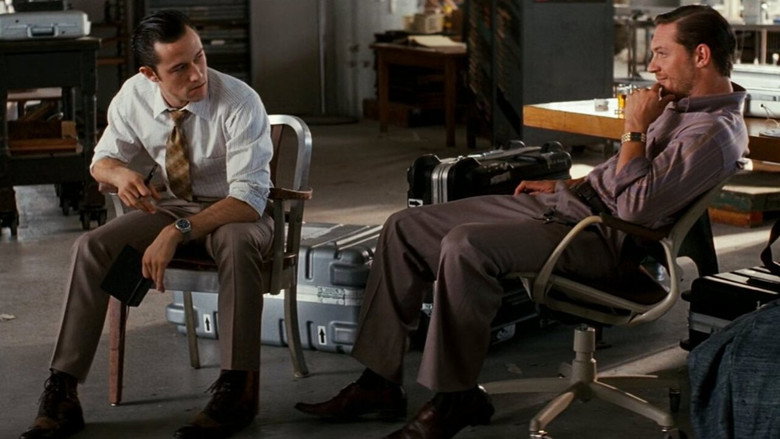
A heist film set within the architecture of the human subconscious. Nolan pushes the boundaries of spectacle, blending heavy emotional stakes with high-concept sci-fi. The rotating hallway sequence remains a practical effects triumph that puts modern CGI-heavy blockbusters to shame. It is a grand, sweeping epic that asks you to question if the ground you are standing on is truly solid.
5. Oldboy (2003)
A Korean thriller that is as emotionally devastating as it is shocking. The brutality is matched only by the intricate web of vengeance spun by the characters. The hallway fight scene is a technical marvel of choreography that has been imitated countless times but never surpassed. Prepare yourself for a conclusion that will leave you reeling for days; this is a dark, sophisticated piece of storytelling.

4. Fight Club (1999)
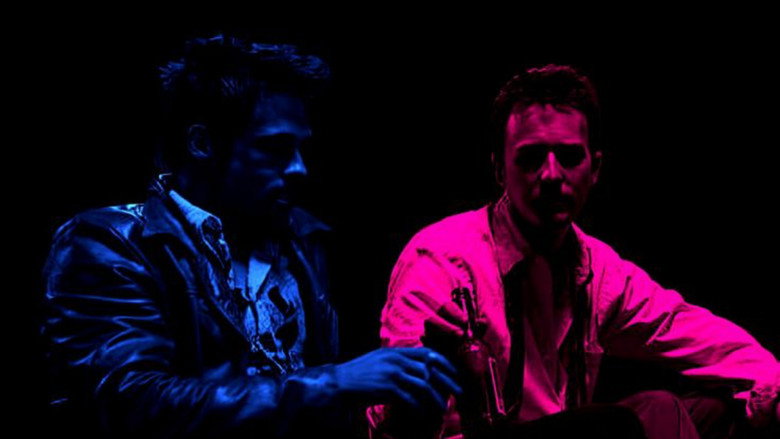
This cult classic redefined 90s cinema with its aggressive nihilism and sharp social critique. David Fincher's direction is visceral, capturing the frustration of a generation with kinetic energy. The twist is legendary for a reason, completely reframing everything you saw in the first two acts. It is a dark, gritty exploration of masculinity and consumerism that hits just as hard today as it did upon release.
3. Mulholland Drive (2001)
David Lynch crafts a dreamlike, surreal odyssey through Los Angeles that defies traditional analysis. Naomi Watts shines in a dual role that showcases her range, while the atmosphere is thick with dread and mystery. Trying to figure out the logic behind this film is part of the allure; it operates on the rhythm of a nightmare where identity and reality constantly shift under your feet.
2. Primer (2004)
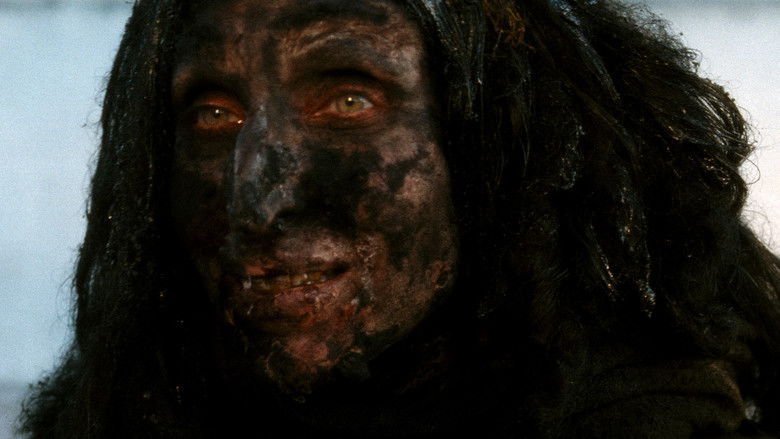
Made on a shoestring budget of only seven thousand dollars, this is widely considered the most complex time-travel film ever created. It does not hold your hand; it demands your absolute focus. The technical jargon is dense, the timeline is labyrinthine, and you will likely need multiple viewings and a flowchart just to grasp the basic mechanics of what is happening. It is a brilliant, cold, and utterly genius exercise in logic.
1. Memento (2000)
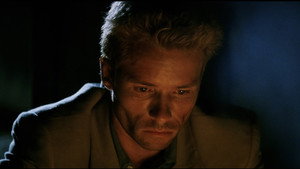
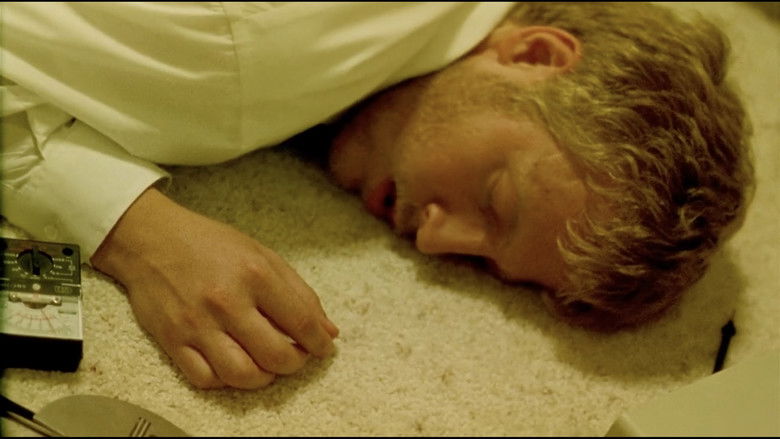
Christopher Nolan's sophomore masterpiece is a masterclass in non-linear storytelling. By presenting the narrative in reverse, the film forces you to experience the protagonist's confusion firsthand. Guy Pearce delivers a raw performance, and the editing is so precise that every scene feels like a puzzle piece clicking into place. It is the ultimate experience for anyone who loves to have their brain turned inside out.