Best cerebral science fiction movies like Arrival
If you loved the intellectual depth and emotional resonance of Arrival, you are likely searching for science fiction that challenges your perception of reality. These films prioritize complex concepts and character-driven narratives over simple spectacle.


The best intellectual science fiction doesn't just show us futuristic technology; it holds up a mirror to the human condition, forcing us to question our own existence, memory, and morality. Much like Denis Villeneuve's Arrival, these films often rely on 'hard' sci-fi concepts—time dilation, artificial intelligence, or the fragility of consciousness—to ground deeply personal stories.
Did you know that Primer, a film legendary for its complex, non-linear timeline, was made on a budget of only seven thousand dollars? It remains a testament to the fact that a brilliant script often outweighs a massive production budget. Similarly, films like Moon prove that a single actor in a confined space can carry a narrative just as effectively as a massive ensemble cast, provided the philosophical questions posed are profound enough. Whether exploring the nature of love in Her or the obsession inherent in The Prestige, this selection of films is curated for viewers who want to be challenged, unsettled, and ultimately transformed by the stories they watch. Prepare to pause, rewind, and discuss these long after the credits roll.
13. The Fountain (2006)
Darren Aronofsky's most polarizing and ambitious project. It is a visually dense, metaphorical epic that spans thousands of years, seeking to reconcile life, death, and reincarnation. The film is incredibly bold, opting for macro-photography and practical lighting rather than traditional digital effects to convey its cosmic scale. It is an acquired taste, but for those who connect with its operatic tone, it is a deeply moving experience.

12. Primer (2004)
The ultimate low-budget triumph, made for roughly $7,000. It is famously dense and complex, often cited as one of the most accurate depictions of time travel ever filmed because it refuses to explain its mechanics to the audience. It is an exercise in pure narrative focus, forcing the viewer to keep pace with the characters or get left behind. A fascinating experiment in non-linear storytelling.
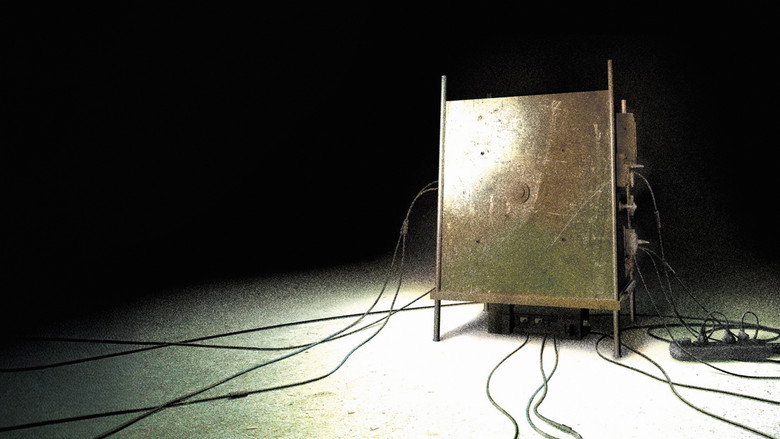
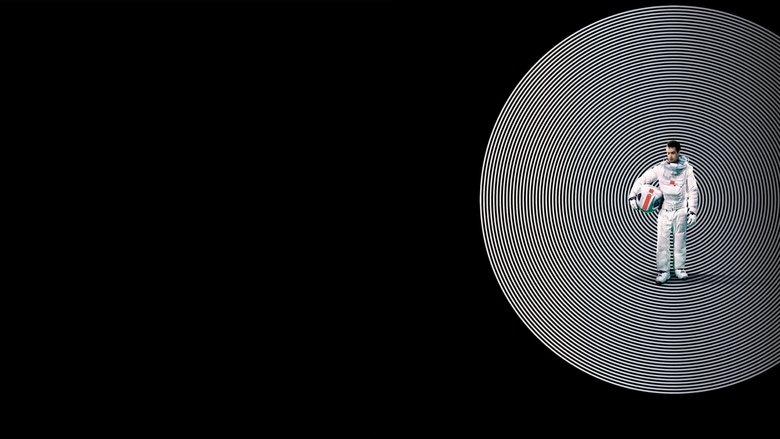
11. Moon (2009)
A quiet, contemplative character study that captures the isolation of deep space with startling intimacy. Sam Rockwell carries the entire film almost entirely on his own, delivering a performance that is both fragile and resilient. It is a refreshing return to grounded, character-driven sci-fi that relies on clever writing rather than explosive spectacle. The practical model work gives the lunar station a tactile, lived-in feel that is sadly rare in modern filmmaking.
10. The Truman Show (1998)
A satirical masterpiece that feels more relevant with each passing decade. Peter Weir manages to balance profound existential dread with a gentle, observational humor. Jim Carrey is perfectly cast, channeling a naive optimism that slowly gives way to a crushing realization. It is a brilliant critique of media consumption and the surveillance culture that we have all become complicit in today.

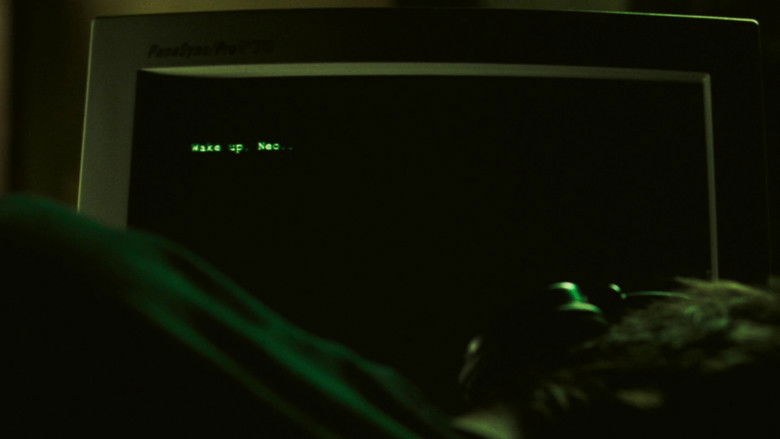
9. The Matrix (1999)
A genre-defining blockbuster that blended philosophy, action, and digital aesthetics into something entirely new. The Wachowskis drew heavily from anime and cyberpunk literature, yet the result felt revolutionary. The iconic green-tinted code and the invention of bullet-time changed cinematography forever. Beneath the leather coats and sunglasses lies a deep, allegorical story about awakening and questioning the nature of our perceived reality.
8. Donnie Darko (2001)
This cult classic is a strange, haunting descent into suburban anxiety and temporal displacement. Shot in just 28 days, it captures a sense of dread that is both specific and universal. The inclusion of Frank the Rabbit is pure nightmare fuel, yet the film is surprisingly grounded in its exploration of teenage isolation. Its legacy has only grown over time, cementing its status as an essential piece of independent speculative fiction.

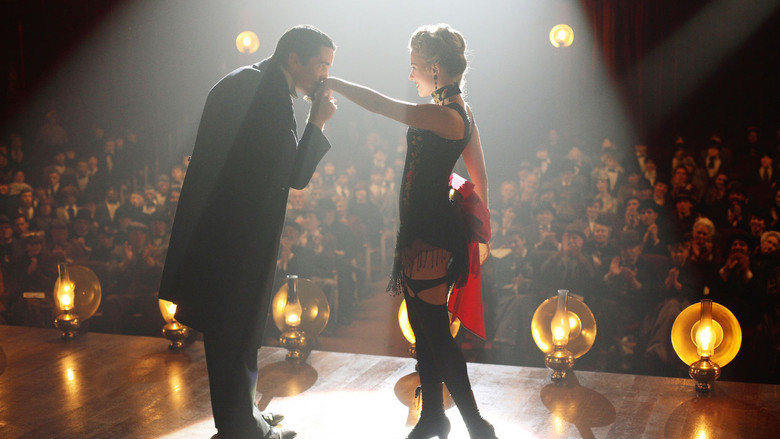
7. The Prestige (2006)
A dark, obsessive puzzle box about the cost of professional rivalry. The film is structured like a magic trick, requiring multiple viewings to appreciate the breadcrumbs left by the director from the very first frame. It is a chilling study of sacrifice, featuring incredible performances that highlight the thin line between dedication and madness. The period detail is meticulous, grounding the fantastical elements in a gritty, historical reality.
6. Inception (2010)
A high-concept heist film that demands your absolute attention. Nolan builds a complex, layered reality that operates on its own strict set of rules. The iconic zero-gravity hallway sequence was achieved largely through practical effects, using a massive rotating set that cost millions to construct. It is a technical marvel that manages to keep the audience disoriented while simultaneously pulling them into an emotionally charged narrative.

5. Eternal Sunshine of the Spotless Mind (2004)
Charlie Kaufman and Michel Gondry team up for a surreal, fragmented journey through the psyche. The film uses practical, in-camera effects to represent the crumbling of a relationship, creating a tactile quality that CGI simply cannot replicate. It is a heartbreakingly honest look at how our past defines us, even when we try to erase it. Jim Carrey's restrained, dramatic performance remains one of the most underrated turns of his career.

4. Blade Runner (1982)
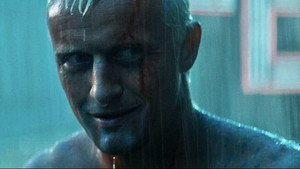
The definitive atmospheric sci-fi noir. Ridley Scott's vision of Los Angeles is iconic for its rainy, neon-drenched streets, but the true brilliance lies in its philosophical inquiry into what it means to be alive. The production was notoriously difficult, with cast and crew famously labeling the shoot 'Blood Runner' due to the grueling working conditions, but the result is a textured masterpiece that influenced generations of filmmakers.

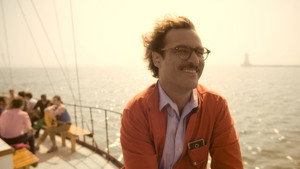
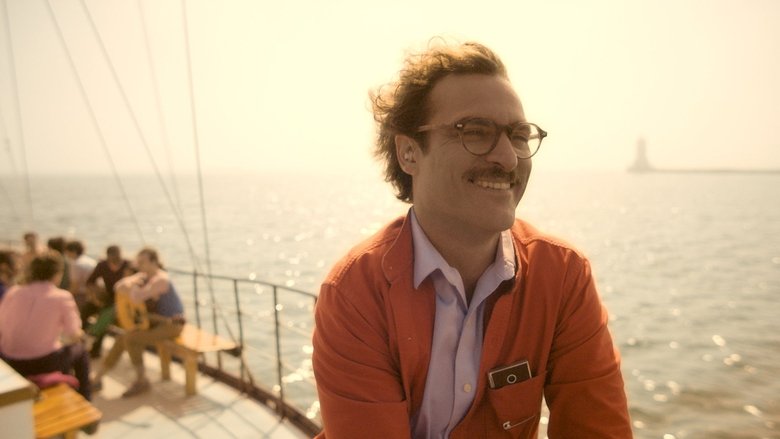
3. Her (2013)
Spike Jonze crafts a tender, melancholic vision of the near future that focuses on the evolution of intimacy. Joaquin Phoenix delivers a performance of incredible vulnerability, often acting against nothing more than a voice, which captures the same profound loneliness found in first-contact narratives. The production design avoids the typical cold, metallic aesthetic of the genre, opting instead for a warm, autumnal palette that makes the high-concept premise feel startlingly grounded.
2. Ex Machina (2015)
A razor-sharp psychological thriller that feels like a spiritual cousin to the linguistic puzzles in Arrival. The film was shot at the Juvet Landscape Hotel in Norway, and its glass-walled architecture perfectly enhances the claustrophobic tension between human and machine. Alex Garland manages to make a confined set feel expansive, forcing viewers to constantly question the nature of consciousness. It is a lean, mean, and intellectually stimulating piece of cinema.

1. Interstellar (2014)
Christopher Nolan delivers a breathtaking cosmic odyssey that mirrors the emotional core of Arrival. Hans Zimmer chose to avoid traditional sci-fi tropes, instead utilizing a pipe organ to anchor the score, grounding the massive scale of space in a deeply intimate, human sound. It is a profound exploration of love transcending dimensions, proving that the most complex physics equations mean nothing without the human connection that drives them. A masterclass in visual storytelling.