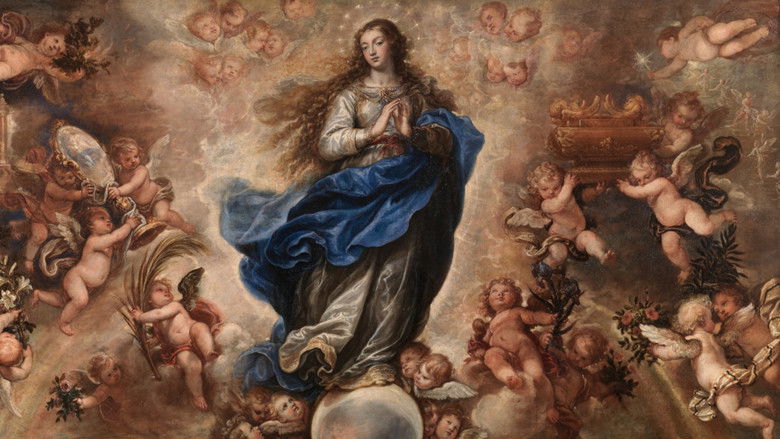
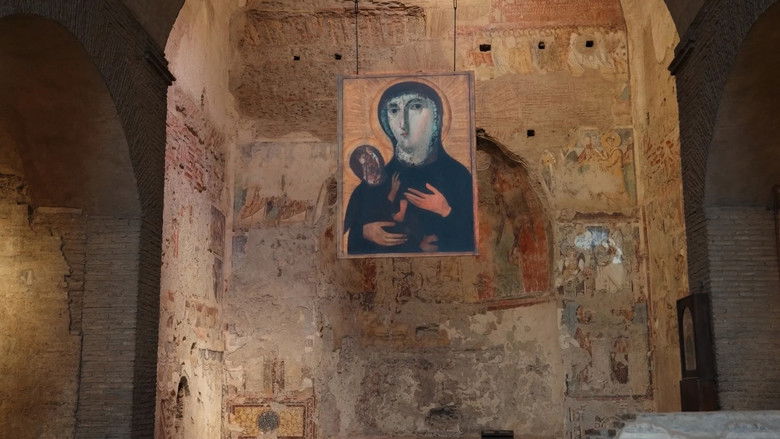
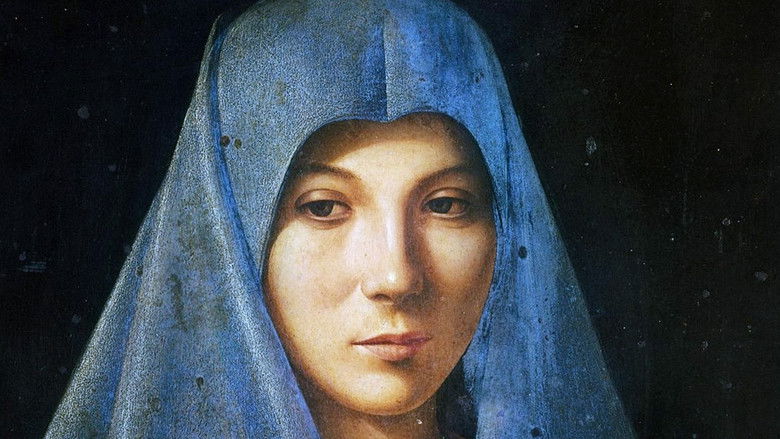
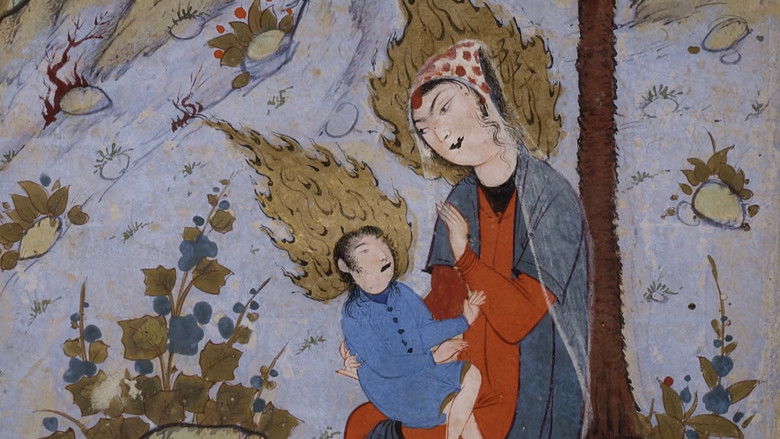
An analysis of the iconic figure of Mary, mother of Jesus, through her constant presence in the history of art.
American Masters
Eli Roth's History of Horror
History 101
The Story of Film: An Odyssey
American Experience
Leaving Neverland
The Andy Warhol Diaries
Hot Girls Wanted: Turned On
Marvel's 616
Baseball
Top Gear
Superpowered: The DC Story
Biography
Pee-wee as Himself
The Story of God with Morgan Freeman
How to Become a Mob Boss
Deadly Women
Marvel's Hit-Monkey
The New York Times Presents
The Boys
FROM
Good Omens
The All-Devouring Whale: Homecoming
Euphoria
Off Campus
Daredevil: Born Again
Re:ZERO -Starting Life in Another World-
Devil May Cry
One Piece
Legends
Soul Mate
Citadel
Born with Luck
My Royal Nemesis
Outlander
House of the Dragon
Regular Show: The Lost Tapes
The Chestnut Man
M.I.A.
As her cult intensifies, Mary is presented as a leader of armies and as a political figure calling for change; but, with the advent of the Reformation, she also becomes a point of contention between Catholics and Protestants.

Throughout the last 2000 years, no woman has been depicted as often as the mother of Jesus. What do the many portraits of Mary, created over the centuries, say about the artists and their times? And what does Mary mean to people past and present?