When old flames reignite: Asian films where a homecoming leads to unexpected encounters
Explore the intricate dynamics of returning home and confronting past relationships in these compelling Asian films. From nostalgic reunions to forbidden desires, these stories delve into the complexities of human connection and the lingering echoes of youth.


Asian cinema excels at portraying the delicate dance of human relationships, often set against stunning backdrops that range from bustling metropolises to serene, forgotten villages. The theme of a character returning to their roots, only to face a ghost from their past, is a particularly potent one. It allows filmmakers to explore themes of nostalgia, regret, unfulfilled desires, and the passage of time.
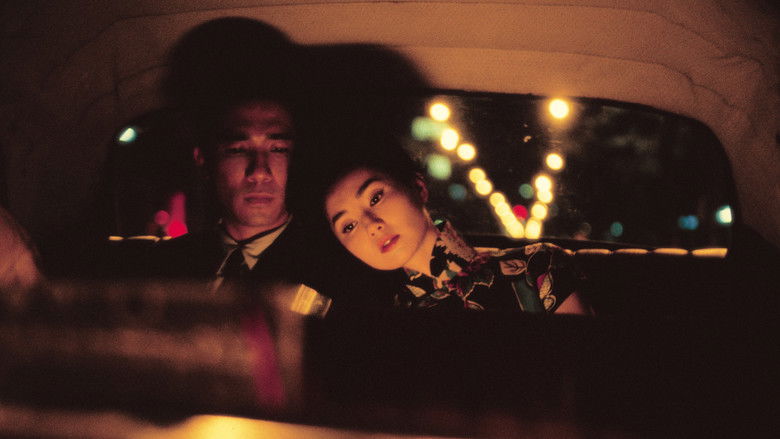
Consider the masterful works of Wong Kar-wai, whose films like 'In the Mood for Love' or 'Chungking Express' are renowned for their atmospheric storytelling and the exploration of longing and unspoken affections. While not always explicit in their narratives, these films often hint at the simmering tension and emotional complexities that arise when old friends, particularly those with a shared history, reconnect. The quiet intensity of these encounters can be far more impactful than any overt declaration.
Another fascinating aspect is how these stories often intertwine with cultural expectations and societal norms. In many Asian cultures, the idea of tradition and family plays a significant role, which can add layers of conflict and subtext to these rekindled relationships. The subtle gestures, lingering glances, and unspoken words often carry more weight than dialogue, making these films incredibly rich and rewarding for viewers who appreciate nuanced storytelling.
These films are not just about the pursuit of physical intimacy; they are often profound meditations on memory, identity, and the choices we make. They invite us to ponder the 'what ifs' and 'could haves' that shape our lives, making them not just entertaining, but also deeply resonant.
11. The Assassin (2015)
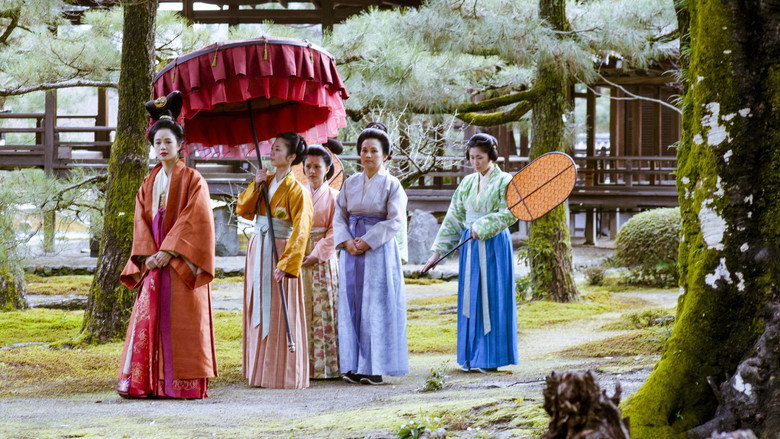
Hou Hsiao-Hsien's 'The Assassin' (2015) is a visually breathtaking wuxia film that prioritizes atmosphere and meticulous composition over explosive action. This Taiwanese masterpiece is a slow-burn cinematic experience, immersing you in the world of 9th-century China with stunning natural landscapes and exquisite period detail. Shu Qi stars as Nie Yinniang, a highly skilled assassin who struggles with her conscience when ordered to kill the man she was once betrothed to. The film's beauty lies in its quiet moments, its long takes, and its deliberate pacing, which allows you to soak in every detail of its opulent world. Hou Hsiao-Hsien's unique approach to the genre earned him the Best Director award at the Cannes Film Festival. It's a film that demands patience but rewards with unparalleled visual poetry and a deeply nuanced exploration of duty, loyalty, and personal freedom.
10. A Touch of Sin (2013)
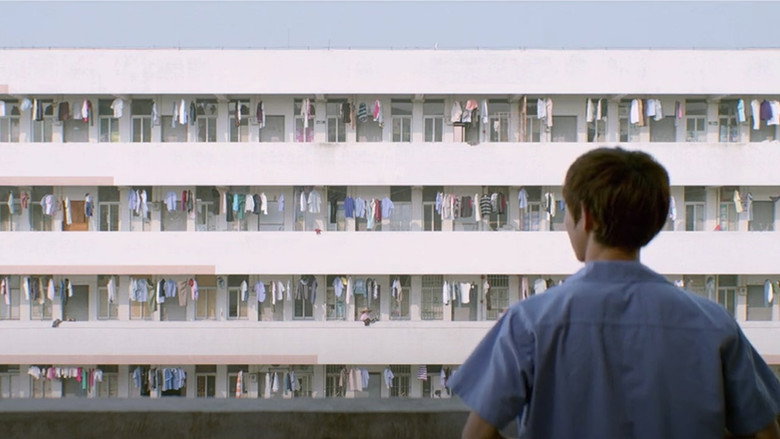
Jia Zhangke's 'A Touch of Sin' (2013) is a powerful and unflinching look at contemporary China, told through four interconnected stories of individuals driven to violence. This film is a stark and often brutal commentary on the rapid societal changes, economic disparities, and moral decay gripping the nation. Each narrative is inspired by real-life events, giving the film a raw, almost documentary-like authenticity. Jia Zhangke is renowned for his neo-realist approach, and here he uses it to expose the desperation and frustration bubbling beneath the surface of modern Chinese society. The film's title itself, referencing 'A Touch of Zen,' cleverly juxtaposes the traditional wuxia genre with a harsh, contemporary reality. It's a thought-provoking and essential piece of cinema that offers a critical lens on the human cost of unchecked progress.
9. The Grandmaster (2013)
Wong Kar-wai's 'The Grandmaster' (2013) is a visually sumptuous and deeply reflective take on the life of Ip Man, the legendary Wing Chun master who famously trained Bruce Lee. This isn't your typical martial arts biopic; it's a poetic exploration of kung fu philosophy, honor, and fleeting love, told with Wong Kar-wai's signature aesthetic beauty. Tony Leung delivers a stoic and powerful performance as Ip Man, and Zhang Ziyi is absolutely captivating as Gong Er, a formidable martial artist seeking revenge. The fight choreography is incredibly elegant and visceral, emphasizing the artistry and precision of the various kung fu styles. Did you know that the film took years to make, with Wong Kar-wai conducting extensive research and interviewing numerous martial arts masters? This dedication to authenticity shines through in every meticulously crafted scene, making it a feast for both the eyes and the mind.

8. Raise the Red Lantern (1991)
Step into the opulent yet suffocating world of 'Raise the Red Lantern,' Zhang Yimou's exquisite and poignant 1991 drama. Set in 1920s China, the film follows a young woman who becomes the fourth concubine to a wealthy lord, entering a household governed by strict traditions and fierce rivalries. The film's stunning visual style, particularly its use of color and symmetrical compositions, is truly captivating, with every frame looking like a painting. Gong Li delivers a powerful performance as the protagonist, Songlian, capturing her journey from defiance to despair with incredible nuance. The ritualistic lighting of the red lanterns, which dictates which concubine the master will visit, becomes a chilling symbol of power and control. It's a visually rich and emotionally resonant film that offers a stark look at the confines placed upon women in a patriarchal society.
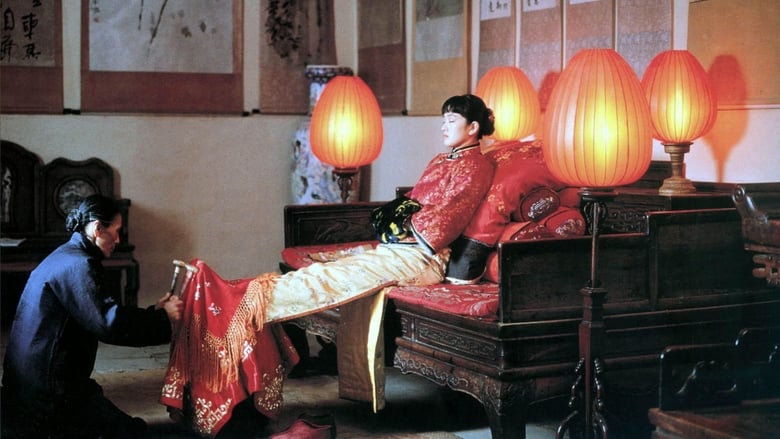
7. Crouching Tiger, Hidden Dragon (2000)
Ang Lee's 'Crouching Tiger, Hidden Dragon' redefined the wuxia genre for a global audience when it arrived in 2000. This visually stunning film, a co-production between China, Hong Kong, Taiwan, and the United States, is a breathtaking blend of martial arts action, sweeping romance, and philosophical depth. The gravity-defying fight sequences, choreographed by the legendary Yuen Woo-ping, are simply mesmerizing, especially the iconic bamboo forest scene. Did you know that the film's incredible success led to a surge in interest in Chinese cinema worldwide? It garnered ten Academy Award nominations, winning four, including Best Foreign Language Film. Beyond the action, it's a story rich in character and emotion, exploring themes of freedom, duty, and unfulfilled love. A true cinematic spectacle that showcases the beauty and power of Asian storytelling.

6. Parasite (2019)
Bong Joon-ho's 'Parasite,' the Palme d'Or winner and Academy Award sensation from 2019, is a genre-bending masterpiece that cleverly dissects class struggle with wit and precision. This South Korean film starts as a dark comedy about a poor family infiltrating the lives of a wealthy one, but it quickly evolves into something far more complex and thrilling. The film's intricate set design, particularly the wealthy Park family's house, is almost a character in itself, meticulously crafted to reflect the social stratification at play. Bong Joon-ho is known for his detailed storyboards, and 'Parasite' is a perfect example of his meticulous planning, allowing for seamless transitions between humor, suspense, and drama. It's a film that sparks conversation, challenges perceptions, and holds a mirror up to societal inequalities, all while keeping you on the edge of your seat.

5. Oldboy (2003)
If you're looking for a film that will grab you by the collar and not let go, 'Oldboy' (2003) is it. This South Korean neo-noir action thriller, directed by the visionary Park Chan-wook, is a brutal, stylish, and utterly compelling tale of revenge. The premise alone is chilling: a man is inexplicably imprisoned for 15 years, then just as inexplicably released, and sets out to find his captor. Choi Min-sik's performance as Oh Dae-su is nothing short of legendary, embodying a raw, animalistic desperation that is truly unsettling. The iconic hallway fight scene, shot in a single, unbroken take, is a testament to the film's incredible choreography and technical prowess. 'Oldboy' isn't just about violence; it's a deep dive into the darkest corners of the human psyche, exploring themes of guilt, punishment, and the corrosive nature of vengeance. Be warned: it's not for the faint of heart, but it's an unforgettable cinematic experience.

4. The Handmaiden (2016)
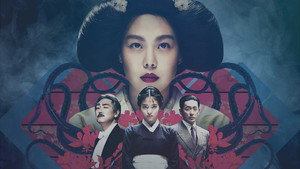
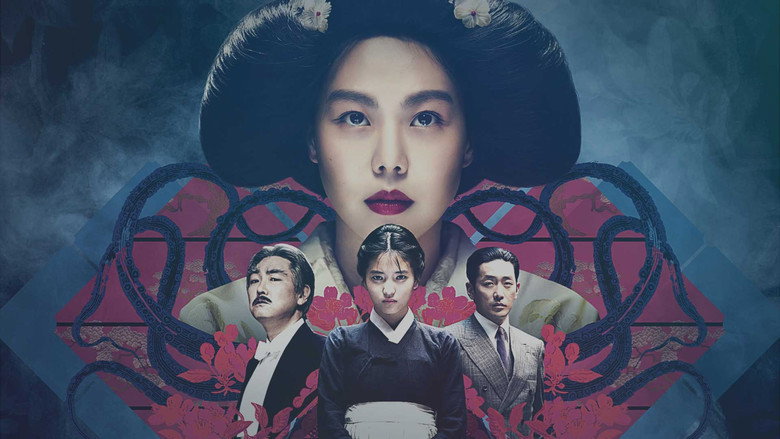
Park Chan-wook's 'The Handmaiden' is a masterclass in psychological thrillers, a visually opulent and intricately plotted film from South Korea. Released in 2016, it's a seductive tale of deception, desire, and liberation set in 1930s Korea under Japanese colonial rule. Inspired by Sarah Waters' novel 'Fingersmith,' the film twists and turns with such cunning that you'll be constantly guessing. The production design is absolutely lavish, creating a world of breathtaking beauty and hidden dangers. The performances are absolutely magnetic, particularly from Kim Min-hee and Kim Tae-ri, whose complex relationship forms the heart of this scandalous narrative. Did you know the film features three distinct parts, each offering a new perspective on the events, cleverly re-contextualizing what you thought you knew? It's a bold, sensual, and utterly enthralling cinematic experience.
3. Spring, Summer, Fall, Winter... and Spring (2003)
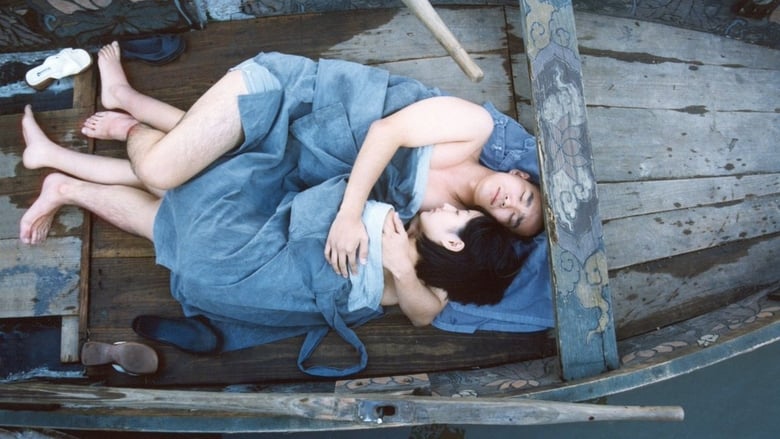
Prepare for a meditative and profoundly spiritual journey with 'Spring, Summer, Fall, Winter... and Spring,' a truly unique film from South Korea's Kim Ki-duk. Released in 2003, this cinematic poem unfolds over the course of a Buddhist monk's life, from childhood to old age, set against the backdrop of a floating monastery on a serene lake. The film's beauty lies in its simplicity and its deep exploration of themes like nature, desire, redemption, and the cyclical nature of existence. Kim Ki-duk himself appears in the film, playing the adult monk, adding another layer of personal connection to this deeply reflective work. There's minimal dialogue, allowing the stunning visuals and the sounds of nature to tell the story, drawing you into its tranquil yet powerful narrative. It's a film that encourages introspection and offers a peaceful, yet potent, viewing experience that resonates long after you've seen it.
2. Chungking Express (1994)
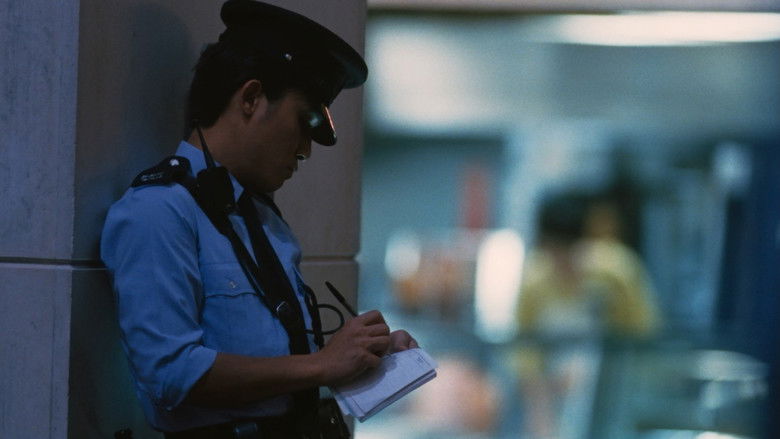
Get ready for a whirlwind of urban romance and quirky charm with Wong Kar-wai's 'Chungking Express'! This 1994 gem is a double feature of two loosely connected stories, both pulsating with the energy of Hong Kong. What's truly fascinating is how this film was made – Wong Kar-wai famously shot it in a break from editing 'Ashes of Time,' often without a finished script, letting the city and his actors guide the narrative. This spontaneous approach gives the film an incredible, almost documentary-like authenticity and a feeling of genuine discovery. Takeshi Kaneshiro's heartbroken cop and Faye Wong's free-spirited snack bar worker are utterly captivating. The soundtrack, especially Faye Wong's cover of 'Dreams' by The Cranberries, is iconic and perfectly encapsulates the film's dreamy, melancholic mood. It's a stylish, exhilarating ride that proves love can be found in the most unexpected corners of a bustling metropolis.
1. In the Mood for Love (2000)
Oh, 'In the Mood for Love'! This film isn't just a movie; it's a symphony of longing, unspoken desires, and breathtaking cinematography. Wong Kar-wai's masterpiece from 2000 is an absolute must-see for anyone who appreciates the art of storytelling through subtle glances and exquisite atmosphere. Tony Leung and Maggie Cheung deliver performances that are so nuanced, so profoundly felt, that you'll be utterly captivated by their characters' quiet yearning. Did you know that much of the dialogue was improvised on set? This improvisational approach allowed for a raw, authentic chemistry to develop between the leads, contributing to the film's incredible emotional depth. The period details, the gorgeous cheongsams, the smoky alleyways of 1960s Hong Kong – every frame is a painting. It's a film that stays with you long after the credits roll, a beautiful ache that reminds us of love's complex dance.