What are the best psychological horror movies?
Psychological horror delves into the darkest corners of the human mind, using suspense and dread to create a truly unsettling experience. These films often leave a lasting impression, long after the credits roll, by exploring themes of paranoia, delusion, and the fragility of sanity.

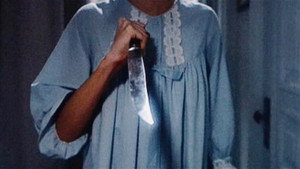
Psychological horror is a fascinating subgenre that preys on our deepest fears not with jump scares, but with a slow, creeping sense of dread that twists the mind. It's about the terror within, the unraveling of sanity, and the unsettling feeling that something is deeply, profoundly wrong. Think of the chilling descent into madness in Stanley Kubrick's The Shining, where the isolation of the Overlook Hotel acts as a catalyst for Jack Torrance's inner demons. Or consider the groundbreaking work of Alfred Hitchcock's Psycho, which redefined horror by focusing on the disturbed psyche of Norman Bates, proving that the scariest monsters are often human.
These films often explore complex themes, forcing us to question reality and the nature of evil. From the subtle, growing unease in Rosemary's Baby to the raw, visceral grief and its terrifying manifestations in Hereditary, psychological horror taps into universal anxieties. It’s a genre that demands active engagement from the audience, inviting us to piece together clues and confront uncomfortable truths. The best psychological horror doesn't just scare you; it makes you think, it makes you question, and it leaves an indelible mark on your subconscious, long after the credits have rolled.
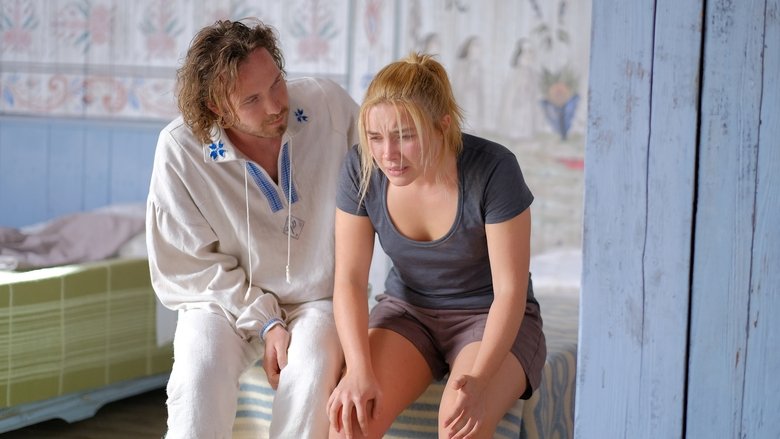
13. Midsommar (2019)
Ari Aster's 'Midsommar' is a unique and visually stunning folk horror film that explores grief and toxic relationships under the harsh glare of the Swedish summer sun. Florence Pugh delivers an absolutely raw and powerful performance as Dani, a young woman reeling from a family tragedy who joins her emotionally distant boyfriend and his friends on a trip to a remote commune. The film's horror isn't found in jump scares but in its unsettling rituals, escalating psychological torment, and the uncomfortable beauty of its setting. It's a fascinating and disturbing look at cult dynamics and emotional catharsis.
12. Split (2016)
M. Night Shyamalan's 'Split' is a taut psychological thriller driven by an incredible performance from James McAvoy. He portrays Kevin Wendell Crumb, a man with 23 distinct personalities, who abducts three teenage girls. McAvoy's ability to seamlessly transition between these vastly different characters is nothing short of phenomenal and truly captivating to watch. The film expertly builds tension and explores the complexities of identity and trauma. Shyamalan's signature suspenseful style keeps you on the edge of your seat, culminating in a reveal that ties into a larger cinematic universe, adding an extra layer of intrigue for fans.
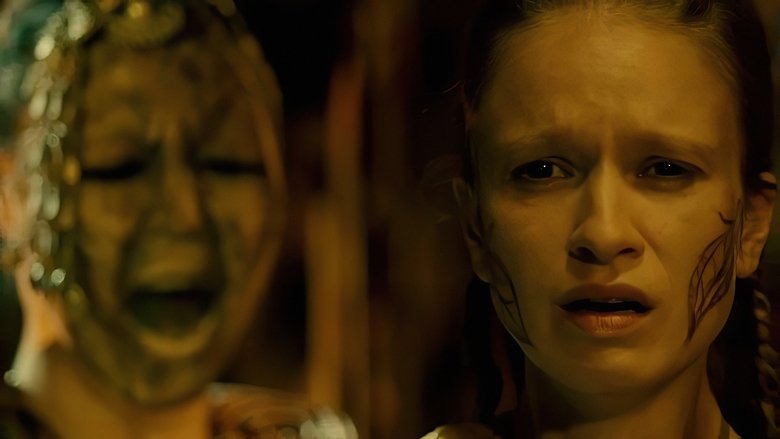
11. The Exorcist (1973)
William Friedkin's 'The Exorcist' remains one of the most terrifying films ever made, a true benchmark for supernatural horror. It delves deep into themes of faith, doubt, and the nature of evil. The film's groundbreaking special effects, particularly those involving Linda Blair's Regan MacNeil, were revolutionary and genuinely disturbing for their time. Did you know the set for Regan's bedroom was refrigerated to capture the actors' visible breath? This commitment to realism, combined with the chilling sound design and the intense performances, creates an experience that continues to shock and unsettle viewers, proving its enduring power.

10. Donnie Darko (2001)
Richard Kelly's 'Donnie Darko' is a complex and enigmatic film that defies easy categorization, blending psychological thriller, sci-fi, and coming-of-age drama. Jake Gyllenhaal shines as the titular Donnie, a troubled teenager who experiences apocalyptic visions and is guided by a giant rabbit named Frank. The film's intricate plot and philosophical themes about fate, free will, and alternate realities invite multiple viewings and endless interpretation. It's a cult classic that has captivated audiences with its unique atmosphere, unsettling imagery, and thought-provoking narrative, leaving a lasting impression long after the credits roll.

9. The Sixth Sense (1999)
M. Night Shyamalan's 'The Sixth Sense' is a supernatural psychological thriller that became a cultural phenomenon. Haley Joel Osment delivers an incredibly mature performance as Cole Sear, a young boy who can see and communicate with ghosts. Bruce Willis as child psychologist Malcolm Crowe provides a grounded counterpoint to Cole's unsettling experiences. The film's genius lies in its intricate storytelling and its now-legendary twist ending, which redefined how audiences watched and discussed movies. It's a film that masterfully builds suspense and emotional depth, proving that horror can be both terrifying and deeply moving.

8. Black Swan (2010)
Darren Aronofsky's 'Black Swan' is a mesmerizing and terrifying dive into the psychological unraveling of a ballerina. Natalie Portman won an Academy Award for her transformative performance as Nina Sayers, a dancer pushed to her limits in pursuit of perfection. The film blurs the lines between reality and delusion, using stunning visuals and intense performances to portray Nina's descent into madness. Aronofsky masterfully uses the demanding world of ballet as a backdrop for a story about obsession, self-destruction, and the terrifying pressures of artistry. It's a visually spectacular and deeply unsettling experience.

7. The Silence of the Lambs (1991)
Jonathan Demme's 'The Silence of the Lambs' is a chilling masterpiece that blends psychological horror with a gripping thriller. Jodie Foster's Clarice Starling, a determined FBI trainee, and Anthony Hopkins' Hannibal Lecter, the sophisticated and terrifying incarcerated serial killer, create one of cinema's most iconic duos. Their intellectual sparring sessions are the backbone of the film, filled with tension and unsettling insights. Hopkins famously only had about 16 minutes of screen time, but his presence is so commanding that it feels like much more. The film's exploration of the human psyche, good versus evil, and the hunt for a monstrous killer makes it an enduring classic.

6. Hereditary (2018)
Ari Aster's 'Hereditary' is a profoundly disturbing and emotionally brutal descent into grief and familial trauma. Toni Collette delivers a truly astonishing performance as Annie Graham, a woman whose family is plagued by a series of tragic events and dark secrets. The film doesn't rely on cheap scares, instead opting for a relentless, oppressive atmosphere of dread and psychological torment. Aster's direction is unflinching, crafting a narrative that feels like a nightmare you can't wake up from. It's a powerful and genuinely unsettling film that explores the darkest corners of family legacy and mental breakdown.

5. Rosemary's Baby (1968)
Roman Polanski's 'Rosemary's Baby' is a slow-burn chiller that ratchets up paranoia to unbearable levels. Mia Farrow is brilliant as Rosemary Woodhouse, a young woman who suspects her new neighbors and husband have sinister intentions for her unborn child. The film's genius lies in its ambiguity; is Rosemary truly being targeted by a satanic cult, or is she succumbing to postpartum delusions? This constant questioning keeps the audience on edge. Polanski's meticulous direction, combined with Farrow's fragile performance, creates an atmosphere of suffocating dread that makes this a timeless psychological horror classic.

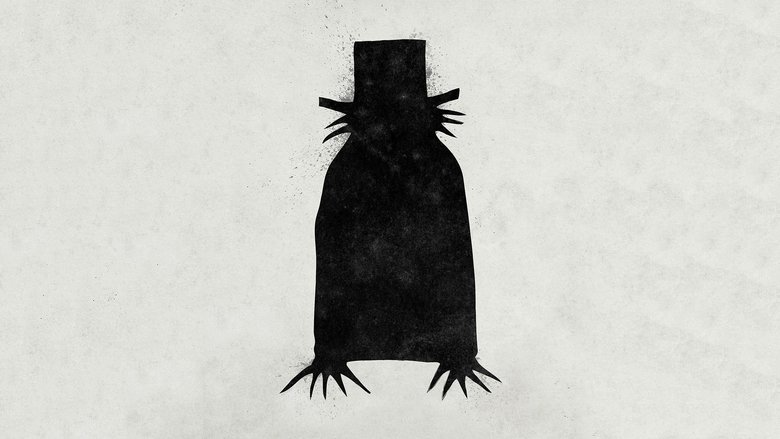
4. The Babadook (2014)
Jennifer Kent's 'The Babadook' is a deeply unsettling exploration of grief and mental health disguised as a monster movie. Essie Davis delivers a raw and powerful performance as Amelia, a widowed mother struggling with her troubled son. The titular Babadook isn't just a creature from a storybook; it's a manifestation of unspoken fears and trauma. The film masterfully builds atmosphere and dread, relying on psychological tension rather than jump scares. It's a poignant and genuinely frightening portrayal of how unchecked sorrow can consume a person, making it a standout in modern horror cinema.
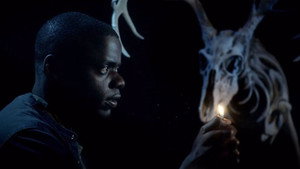
3. Get Out (2017)
Jordan Peele's 'Get Out' is a modern masterpiece of psychological horror, cleverly weaving social commentary into a truly unsettling narrative. Daniel Kaluuya's performance as Chris, a young man visiting his white girlfriend's family for the first time, is absolutely captivating as he navigates escalating unease. The film expertly uses subtle cues and escalating tension to build to its shocking revelations. Peele's directorial debut was a revelation, earning him an Academy Award for Best Original Screenplay. 'Get Out' doesn't just scare you; it makes you think, sparking conversations about race and privilege in a way few horror films ever achieve. It's smart, suspenseful, and profoundly disturbing, cementing its place as a genre classic.

2. Psycho (1960)
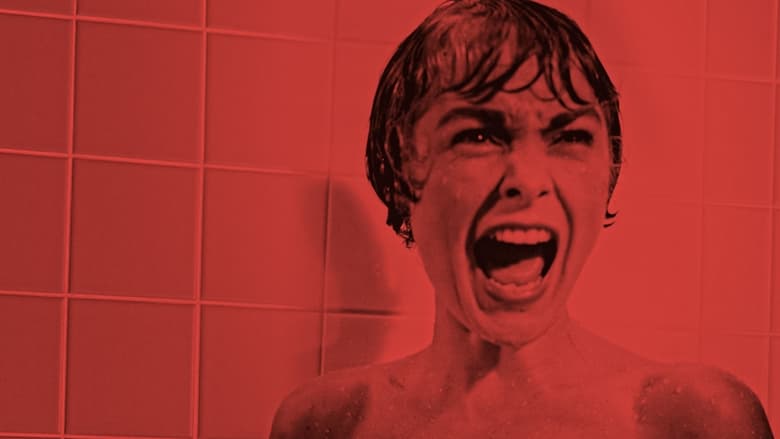
Alfred Hitchcock's 'Psycho' redefined the horror genre, proving that the most terrifying monsters often wear human faces. The film's groundbreaking narrative twists, especially the shocking mid-film death of its apparent protagonist, Marion Crane, was a bold move that left audiences stunned. Anthony Perkins' portrayal of Norman Bates is iconic – a seemingly innocent motel owner with a deeply disturbed secret. Hitchcock famously controlled every aspect of the film's release, even forbidding late admissions to screenings, to ensure the impact of its surprises. The shower scene, a brief but incredibly complex sequence of rapid cuts and unsettling music, remains one of the most analyzed and influential moments in cinema history. It's a testament to Hitchcock's genius that this film continues to unsettle and captivate new generations.
1. The Shining (1980)
Stanley Kubrick's 'The Shining' isn't just a horror film; it's a masterclass in psychological dread. Jack Nicholson's descent into madness as Jack Torrance is truly unsettling, a performance that still chills to the bone decades later. Did you know that Kubrick was notoriously demanding, often doing dozens of takes for a single scene? This meticulous approach, combined with the groundbreaking Steadicam work that allowed for those iconic, gliding shots through the Overlook Hotel, creates an atmosphere of suffocating isolation and paranoia. The film's ambiguity, particularly around the supernatural elements, leaves you questioning reality long after the credits roll. It's a cinematic experience that burrows deep into your psyche, a true benchmark for the genre.