What are the best old mafia movies in USA?
Explore the gritty underworld of American organized crime with a curated selection of cinematic masterpieces. These films delve into the intricate lives of mobsters, their rise to power, and their inevitable downfall.


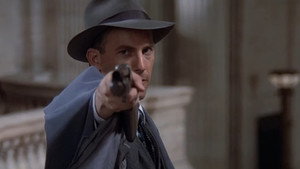
The allure of the American mafia on screen is undeniable, captivating audiences for decades with tales of loyalty, betrayal, and power. From the iconic declarations of "I'm gonna make him an offer he can't refuse" to the brutal realities of street justice, these narratives have become a cornerstone of cinematic history.
Directors like Martin Scorsese and Francis Ford Coppola have masterfully crafted some of the most memorable mob films, often drawing inspiration from real-life figures and events. For instance, "Goodfellas" is famously based on the true story of Henry Hill, a mob associate whose life was chronicled in Nicholas Pileggi's book "Wiseguy." The film's authenticity is a large part of its enduring appeal, showcasing the day-to-day lives of mobsters in a way that feels both exhilarating and terrifying.
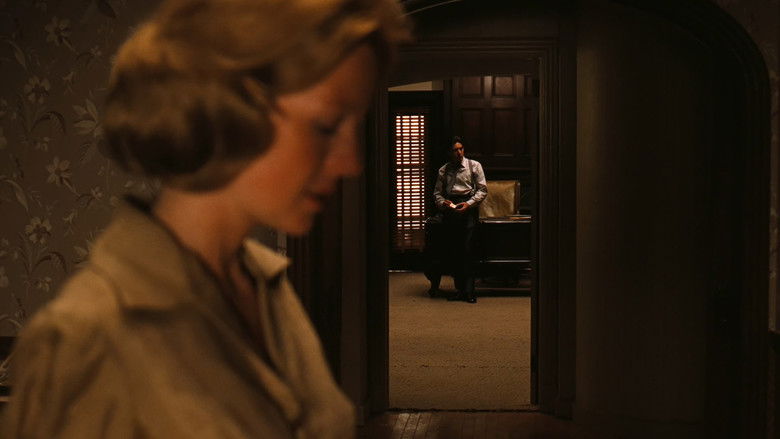
Similarly, "The Godfather", often considered the pinnacle of the genre, wasn't just a fictional tale. Mario Puzo, the author of the novel, extensively researched the mafia, and many characters and events were rumored to be inspired by actual mob families, lending an air of realism to its epic scope. The film's influence extends far beyond its genre, impacting filmmaking techniques and storytelling for generations.
These movies are not just about violence and crime; they are often deep character studies, exploring themes of family, ambition, and the corrupting nature of power. They offer a window into a hidden world, revealing the complex codes of honor and the harsh consequences that come with breaking them.
Even films like "Scarface", while focusing on a Cuban immigrant's rise in the drug trade, share the same thematic DNA with traditional mafia narratives, depicting the relentless pursuit of the American dream through illicit means and the ultimate price paid for unchecked ambition. The performances in these films are often legendary, with actors like Al Pacino, Robert De Niro, and Joe Pesci delivering career-defining roles that have become synonymous with the genre. Their portrayals add layers of depth and humanity to characters who are often morally ambiguous, making them both fascinating and unforgettable.
14. American Gangster (2007)
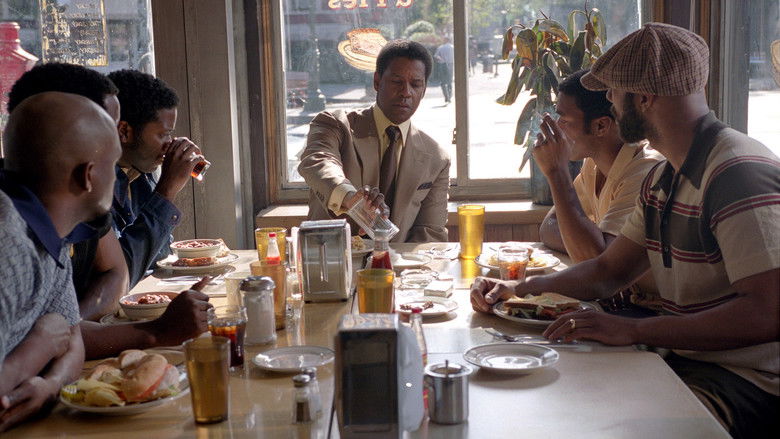
Step into the meticulously crafted world of Frank Lucas, a real-life drug lord who rose to power in Harlem during the 1970s, in Ridley Scott's 'American Gangster.' Denzel Washington delivers a commanding and chilling performance as Lucas, a man who built his empire on cunning and ruthlessness, bypassing traditional mob structures. Russell Crowe plays Richie Roberts, the honest detective determined to bring Lucas down, creating a compelling cat-and-mouse dynamic. The film is a sprawling and detailed portrayal of a specific era, showcasing the fashion, music, and socio-political landscape of the time. Did you know that Frank Lucas himself served as a consultant for the film, offering insights into his life and operations? This added a layer of authenticity to the narrative, though some historical inaccuracies have been noted. 'American Gangster' is a powerful and often brutal examination of ambition, corruption, and the complex figures who shaped the criminal underworld, offering a different perspective on the classic gangster narrative.
13. The Departed (2006)
Brace yourself for a labyrinthine tale of moles and double-crosses in Martin Scorsese's Oscar-winning thriller, 'The Departed.' Set in Boston, this intense film pits an undercover state trooper against a mole in the Irish mob, leading to a cat-and-mouse game where trust is a luxury no one can afford. Leonardo DiCaprio delivers a raw and emotionally charged performance as Billy Costigan, the trooper infiltrating the mob, while Matt Damon is equally compelling as Colin Sullivan, the mob's informant in the police force. Jack Nicholson is terrifyingly brilliant as Frank Costello, the ruthless crime boss. The film is a masterful exercise in tension, constantly keeping you on the edge of your seat as the lines between good and evil blur. Did you know it's a remake of the Hong Kong film 'Infernal Affairs'? Scorsese took the core concept and expertly infused it with his signature style and Bostonian grit, creating a truly original and gripping American crime epic. It's a complex, violent, and utterly compelling film that explores loyalty, identity, and the corrupting nature of power.

12. Scarface (1983)
Say hello to my little friend! Brian De Palma's 'Scarface' is an explosive and over-the-top portrayal of Tony Montana, a Cuban refugee who rises to the top of the Miami drug trade. Al Pacino's iconic performance as the ruthless and ambitious gangster is a force of nature, full of quotable lines and unbridled intensity. The film is a cautionary tale of unchecked ambition and the corrupting influence of power, pushing boundaries with its graphic violence and explicit language. While initially met with controversy, 'Scarface' has since become a cult classic, influencing countless films, music, and pop culture references. The opulent and often garish production design perfectly captures the excess of the 1980s drug boom. Did you know that the film's screenwriter, Oliver Stone, based much of the story on real-life drug lords? This adds a layer of dark realism to the otherwise larger-than-life narrative. It's a bold, unapologetic, and undeniably impactful film that remains a powerful statement on the American dream gone horribly wrong.

11. Road to Perdition (2002)
Step into a visually stunning and emotionally resonant tale of loyalty and revenge with 'Road to Perdition.' Set during the Great Depression, this film follows Michael Sullivan, a hitman for the Irish mob, as he seeks vengeance against those who murdered his family. Tom Hanks delivers a surprisingly dark and intense performance as Sullivan, a man forced to confront the brutal consequences of his profession. Paul Newman, in his final live-action film role, is exceptional as the aging and conflicted mob boss, John Rooney. The film's cinematography by Conrad L. Hall is absolutely breathtaking, using shadows and light to create a moody, almost painterly aesthetic that perfectly captures the desolate beauty of the era. Did you know that the film is based on a graphic novel? It masterfully translates the visual storytelling to the big screen, creating a powerful and poignant narrative about father-son relationships and the cyclical nature of violence. It's a beautifully crafted and deeply moving crime drama that stands apart for its artistic vision and powerful performances.

10. Mean Streets (1973)
Experience the raw, gritty energy of early Martin Scorsese with 'Mean Streets,' a groundbreaking film that put both Scorsese and its stars, Robert De Niro and Harvey Keitel, on the map. Set in New York City's Little Italy, this film is a visceral exploration of small-time hoodlums struggling with their faith, loyalty, and ambition. De Niro's performance as Johnny Boy is electrifying, a volatile force of nature that steals every scene. Keitel as Charlie is the conflicted soul, caught between his religious guilt and his loyalty to his reckless friend. The film's semi-autobiographical elements, drawn from Scorsese's own experiences growing up in the neighborhood, give it an undeniable authenticity. Its innovative use of rock and roll music on the soundtrack was revolutionary for its time, perfectly capturing the chaotic energy of the streets. 'Mean Streets' is a seminal work that laid the foundation for Scorsese's future gangster epics, showcasing his unique vision and unparalleled ability to capture the complexities of urban life and moral struggle.

9. Miller's Crossing (1990)
Dive into the intricate and morally ambiguous world of Prohibition-era gangsters with the Coen Brothers' 'Miller's Crossing.' This stylish and darkly humorous film is a neo-noir masterpiece, brimming with witty dialogue, complex characters, and unexpected twists. Gabriel Byrne stars as Tom Reagan, a cunning and cynical advisor caught in the middle of a turf war between rival crime bosses. The film's visual aesthetic is truly captivating, with its meticulously crafted period details and stunning cinematography that evokes classic gangster films. The Coens' unique blend of violence and absurdity is on full display, creating a world that is both brutal and strangely poetic. The recurring motif of a fedora blowing in the wind is particularly iconic, symbolizing the shifting loyalties and precarious nature of the characters' lives. 'Miller's Crossing' is a sophisticated and intellectually engaging crime drama that rewards multiple viewings, revealing new layers of its intricate plot and character motivations each time.

8. Carlito's Way (1993)
Al Pacino delivers another powerhouse performance in Brian De Palma's stylish neo-noir 'Carlito's Way,' playing Carlito Brigante, a Puerto Rican ex-con determined to go straight after being released from prison. However, the allure of his old life and the loyalty he feels towards his shady lawyer, played by a surprisingly transformed Sean Penn, constantly pull him back into the criminal underworld. The film is a tragic tale of a man trying to escape his past, set against the backdrop of 1970s New York City. The club scenes are particularly striking, with their pulsating energy and evocative lighting. Did you know that Sean Penn underwent a significant physical transformation for his role as David Kleinfeld, including a receding hairline and specific mannerisms, to make him almost unrecognizable? This commitment to character adds another layer to the film's gritty realism. 'Carlito's Way' is a visually rich and emotionally charged thriller, exploring themes of redemption, fate, and the inescapable grip of a criminal past.

7. Donnie Brasco (1997)
Prepare for a tension-filled descent into the dangerous world of undercover operations with 'Donnie Brasco.' This gripping film tells the true story of FBI agent Joseph D. Pistone, who infiltrated the Bonanno crime family in the 1970s. Johnny Depp delivers a compelling performance as Donnie Brasco, a man increasingly torn between his two identities, while Al Pacino shines as Lefty Ruggiero, an aging hitman who unknowingly mentors the undercover agent. The film masterfully explores the psychological toll of deep cover work, showcasing the profound bonds formed and the devastating consequences of betrayal. Did you know that Pacino spent time with the real Lefty Ruggiero before filming to capture his mannerisms and speech patterns? This dedication to authenticity truly elevates his performance. 'Donnie Brasco' is a raw and realistic look at the mob, focusing on the human cost of a life lived on the fringes of society and the difficult choices made in the name of duty and loyalty.

6. A Bronx Tale (1993)
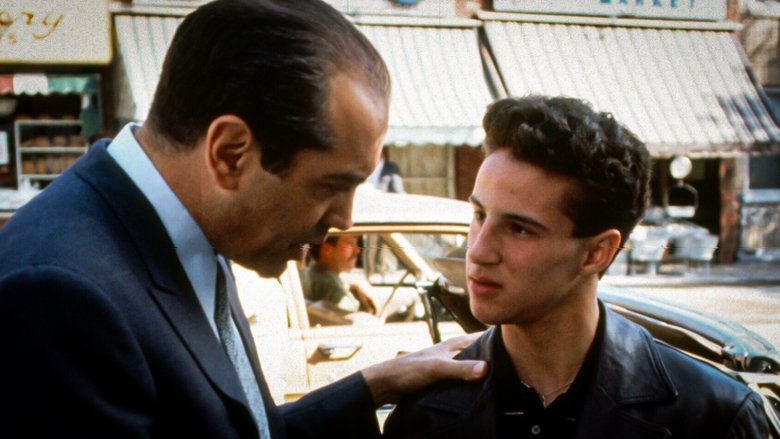
Robert De Niro's directorial debut, 'A Bronx Tale,' is a heartfelt and authentic coming-of-age story set against the backdrop of 1960s Italian-American Bronx. This film, based on Chazz Palminteri's one-man play, explores the difficult choices a young boy faces between the love of his hardworking father and the allure of a charismatic local mob boss, Sonny. Palminteri's performance as Sonny is captivating, portraying a complex character who is both dangerous and philosophical. De Niro himself delivers a nuanced performance as the boy's father, providing a powerful moral counterpoint. The film's strength lies in its genuine portrayal of community, loyalty, and the conflicting influences that shape a young man's identity. It's a story told with warmth, humor, and a deep understanding of its characters, making it a touching and enduring classic about growing up and finding your own path.
5. The Untouchables (1987)
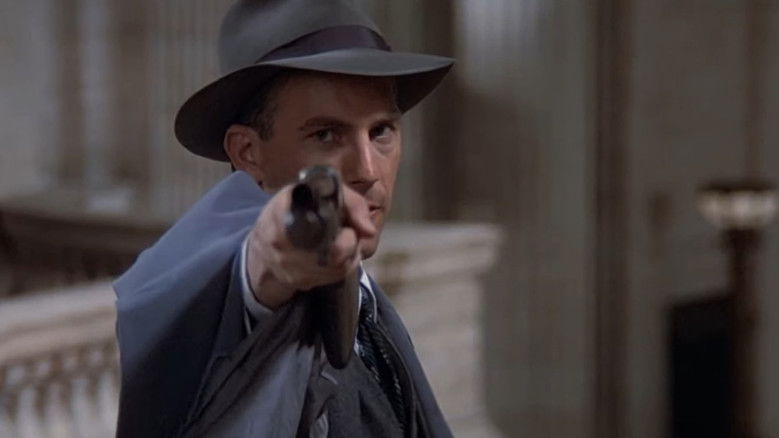
Step into the roaring twenties and the battle against Al Capone in Brian De Palma's stylish and intense 'The Untouchables.' This film brings to life the legendary showdown between Treasury Agent Eliot Ness and the notorious Chicago gangster. Kevin Costner leads the charge as Ness, a man determined to bring justice to a corrupt city, while Robert De Niro delivers a chillingly ruthless portrayal of Capone. Sean Connery, in an Oscar-winning role, provides the film's moral compass as veteran police officer Jimmy Malone. The iconic train station shootout scene, a brilliant homage to Sergei Eisenstein's 'Battleship Potemkin,' is a masterclass in suspense and choreography, demonstrating De Palma's visual flair. Ennio Morricone's powerful score adds immense depth and tension, elevating the drama. It's a thrilling historical crime drama that combines compelling performances with stunning visuals, making it a standout in the genre.
4. Once Upon a Time in America (1984)
Sergio Leone's 'Once Upon a Time in America' is a sprawling, melancholic epic that transcends the typical gangster film. This ambitious saga follows the lives of Jewish-American gangsters in New York City across several decades, exploring themes of friendship, love, betrayal, and the elusive nature of the American dream. Robert De Niro delivers a powerful performance as 'Noodles' Aaronson, a man haunted by his past. Did you know that the film was originally over ten hours long? Leone was forced to cut it down significantly for its theatrical release, leading to a notoriously butchered version in the U.S. that was critically panned. The director's cut, however, restores much of its intended grandeur and emotional depth, revealing a poetic and deeply moving narrative. Ennio Morricone's haunting score is absolutely essential to the film's atmosphere, weaving a tapestry of longing and regret that stays with you long after the credits roll. It's a profound and reflective look at the passage of time and the weight of choices made.

3. Casino (1995)
Prepare for a dazzling and brutal exposé of the mob's grip on Las Vegas in Martin Scorsese's epic 'Casino.' This sprawling narrative, based on the true story of Frank Rosenthal, takes us behind the glittering facade of the city to reveal the ruthless operations that built it. Robert De Niro's performance as Sam 'Ace' Rothstein, the mob's man in charge of the Tangiers Casino, is a tour de force, showcasing his meticulous control and eventual unraveling. Sharon Stone, in an Oscar-nominated role as Ginger McKenna, delivers a truly magnetic and tragic portrayal of a woman caught in the whirlwind of excess and addiction. The costume design alone is worth the price of admission, with Ginger sporting over 40 different outfits, each more extravagant than the last, reflecting the opulent era. 'Casino' is a visually stunning and narratively rich film that pulls no punches, offering a fascinating and often terrifying glimpse into a bygone era of mob dominance and the insatiable greed that ultimately led to its demise.

2. GoodFellas (1990)
Buckle up for a wild ride into the lives of real-life mobsters with Martin Scorsese's 'GoodFellas.' This isn't just a crime film; it's a raw, exhilarating, and darkly humorous deep dive into the allure and ultimate downfall of the gangster lifestyle. Based on Nicholas Pileggi's non-fiction book 'Wiseguy,' the film perfectly captures the intoxicating rush of power and privilege, juxtaposed with the brutal realities of the underworld. Did you know that Joe Pesci's Oscar-winning performance as Tommy DeVito was largely improvised? Many of his most chilling and quotable lines, including the famous 'funny how?' scene, were developed on the spot, adding an unparalleled authenticity to his terrifying character. Scorsese's kinetic direction, coupled with a killer soundtrack that perfectly complements every scene, makes 'GoodFellas' a masterclass in storytelling. It's a film that pulls you in from the first frame and doesn't let go, offering an unflinching look at loyalty, ambition, and the price of a life in crime.

1. The Godfather (1972)
Step into the hallowed halls of the Corleone family with 'The Godfather,' a film that isn't just a classic, but a cultural touchstone. Francis Ford Coppola's masterpiece redefined the gangster genre, crafting a saga of power, loyalty, and betrayal that resonates deeply. Did you know that Marlon Brando's iconic portrayal of Vito Corleone almost didn't happen? Paramount executives initially resisted his casting, fearing he was box office poison. Coppola famously had to fight for him, and the rest, as they say, is cinematic history. The film's influence extends far beyond its narrative; its cinematography, particularly Gordon Willis's masterful use of shadow, set new standards for mood and atmosphere. Every frame is a painting, every line of dialogue a profound statement. It's a film that demands to be seen and revisited, offering new insights with each viewing. 'The Godfather' is more than a movie; it's an experience, an operatic tragedy that explores the dark heart of the American dream through the lens of a crime family.