What are the best movies about the mafia?
Explore the gritty underworld and complex codes of honor in our selection of the most iconic mafia films. From the legendary sagas to brutal true stories, prepare for a deep dive into the genre's finest cinematic achievements. Discover the films that define the mob movie experience.


The allure of the mafia genre lies in its depiction of power, loyalty, and betrayal, often set against a backdrop of lavish lifestyles and brutal violence. These films offer a fascinating glimpse into a hidden society with its own rules and hierarchies. Directors like Francis Ford Coppola and Martin Scorsese have practically defined the genre, creating cinematic masterpieces that resonate with audiences worldwide.
Take "The Godfather", for instance. It's not just a crime film; it's a Shakespearean tragedy about family and succession, profoundly influencing how we perceive organized crime in cinema. Did you know that Marlon Brando initially struggled to get the role of Vito Corleone, with studio executives pushing for a different actor? Coppola famously had to fight for his vision, and the result is now considered one of the greatest films ever made.
Then there's Scorsese's "GoodFellas" and "Casino", which offer a more visceral, almost documentary-style look at the lives of mobsters, often based on real-life figures. These films are celebrated for their dynamic editing, iconic soundtracks, and unforgettable performances, particularly from actors like Robert De Niro, Joe Pesci, and Al Pacino, who have become synonymous with the genre. The attention to detail in depicting the day-to-day operations and psychological toll of mob life is unparalleled. For example, many of the anecdotes and character traits in "GoodFellas" were directly inspired by Nicholas Pileggi's non-fiction book "Wiseguy," on which the film is based, providing an authentic edge that few other films achieve.
From the intense character studies to the sprawling crime epics, these movies explore themes of ambition, morality, and the corrupting influence of power, making them endlessly rewatchable and culturally significant. The legacy of these films continues to shape our understanding of the criminal underworld, often blurring the lines between hero and villain, and challenging our perceptions of justice.
13. Road to Perdition (2002)
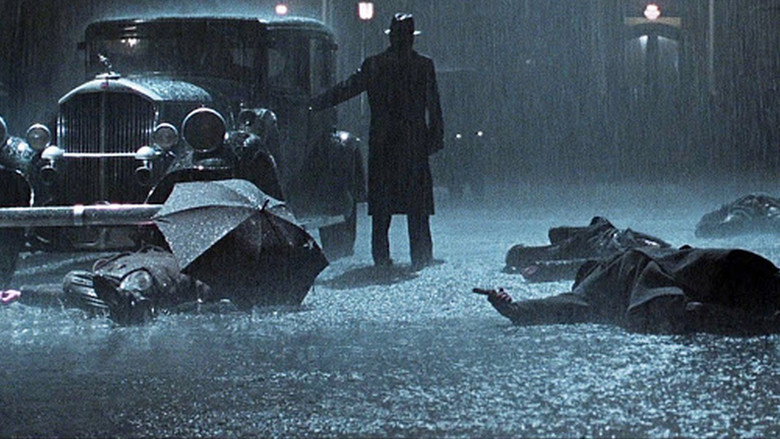
Sam Mendes' 'Road to Perdition' is a beautifully shot and somber gangster film set during the Great Depression. Tom Hanks plays Michael Sullivan, a hitman for the Irish mob who goes on the run with his son after their family is targeted. The film is a visually stunning exploration of father-son relationships, revenge, and the cycle of violence. Conrad L. Hall's cinematography, which earned him a posthumous Oscar, creates a haunting and atmospheric world. It's a quieter, more reflective take on the gangster genre, focusing on the human cost of a life of crime.
12. Miller's Crossing (1990)
The Coen Brothers' 'Miller's Crossing' is a stylish and intricate gangster film set during Prohibition. It's a complex tale of loyalty, betrayal, and shifting allegiances between rival gangs. Gabriel Byrne stars as Tom Reagan, a consigliere caught in a web of deceit and double-crosses. The film is known for its witty, idiosyncratic dialogue, stunning cinematography, and a darkly comedic tone that is uniquely Coen. Its intricate plot, filled with unexpected twists, keeps you guessing until the very end, and the iconic 'Danny Boy' scene is a standout moment.
11. American Gangster (2007)
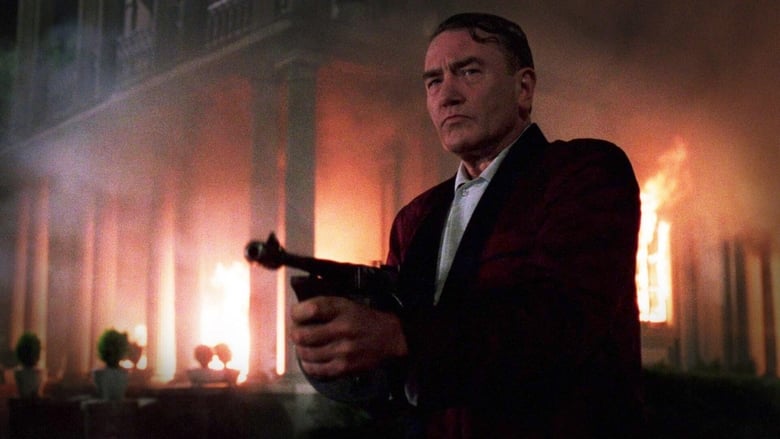
Ridley Scott's 'American Gangster' tells the compelling true story of Frank Lucas, a cunning and ruthless drug lord from Harlem who rose to power in the 1970s. Denzel Washington delivers a commanding performance as Lucas, while Russell Crowe plays Richie Roberts, the honest detective determined to bring him down. The film meticulously recreates the era, from the fashion to the music, and offers a fascinating look at the parallel lives of the criminal and the lawman. It's a gritty, well-crafted crime epic that showcases the intelligence and brutality of a real-life underworld figure.

10. Carlito's Way (1993)
Al Pacino re-teams with Brian De Palma for 'Carlito's Way,' a stylish and tragic neo-noir film about a former drug lord trying to go straight after being released from prison. Pacino's Carlito Brigante is a man desperately trying to escape his past, but the streets keep pulling him back in. Sean Penn delivers a transformative, almost unrecognizable performance as Carlito's sleazy lawyer, Kleinfeld. The film is a visually stunning and emotionally charged ride, propelled by its fantastic soundtrack and De Palma's signature long takes and suspenseful sequences. It's a powerful story about second chances and the inescapable grip of destiny.

9. A Bronx Tale (1993)
Robert De Niro's directorial debut, 'A Bronx Tale,' is a heartfelt and insightful coming-of-age story set in the Bronx during the 1960s. It explores the conflict between a young boy's honest, hardworking father (De Niro) and the charismatic, powerful local mob boss, Sonny (Chazz Palminteri, who also wrote the play and screenplay). The film offers a unique perspective on the allure and dangers of the gangster lifestyle through the eyes of a child. It's a story about choices, loyalty, and the different paths one can take in life, filled with warmth, humor, and moments of stark reality.

8. Donnie Brasco (1997)
Based on a true story, 'Donnie Brasco' is a fascinating and tense look at the psychological toll of deep undercover work. Johnny Depp plays FBI agent Joe Pistone, who infiltrates the Bonanno crime family by posing as jewel expert Donnie Brasco. Al Pacino gives a nuanced and heartbreaking performance as Lefty Ruggiero, an aging mobster who unwittingly mentors Donnie. The film masterfully explores the blurred lines between identity and loyalty, showing how deep undercover agents can become entangled in the lives of the criminals they're meant to take down. It's a raw and authentic portrayal of the mob world.
7. Once Upon a Time in America (1984)
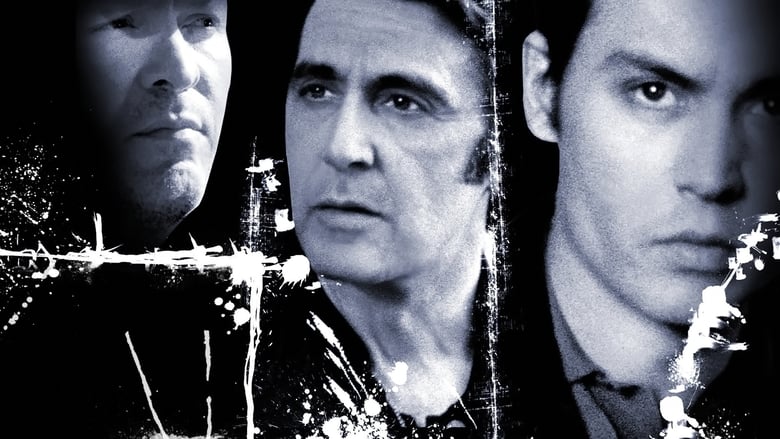
Sergio Leone's 'Once Upon a Time in America' is an epic, sprawling saga of Jewish gangsters in New York City, spanning decades. Robert De Niro and James Woods deliver powerful performances as lifelong friends whose lives are intertwined with crime, love, and betrayal. The film's non-linear narrative, stunning visuals, and Ennio Morricone's melancholic and evocative score create a truly immersive experience. It's a challenging film with a long runtime, but its artistic ambition and emotional depth make it a rewarding watch for those who appreciate a grand, operatic cinematic experience. Did you know the original cut was over four hours long?

6. The Untouchables (1987)
Brian De Palma's 'The Untouchables' is a stylish and thrilling depiction of Eliot Ness's efforts to bring down Al Capone during Prohibition-era Chicago. Kevin Costner leads a fantastic cast, including Sean Connery, who won an Oscar for his role as the grizzled Irish cop Jim Malone, and Robert De Niro, who delivers a chilling performance as Capone. The film is renowned for its stunning cinematography, particularly the iconic train station shootout sequence, a brilliant homage to Sergei Eisenstein's 'Battleship Potemkin.' Ennio Morricone's score perfectly captures the grand scale and tension of the era.
5. The Departed (2006)
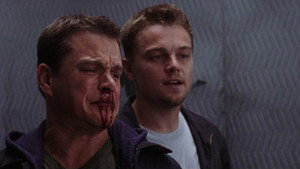
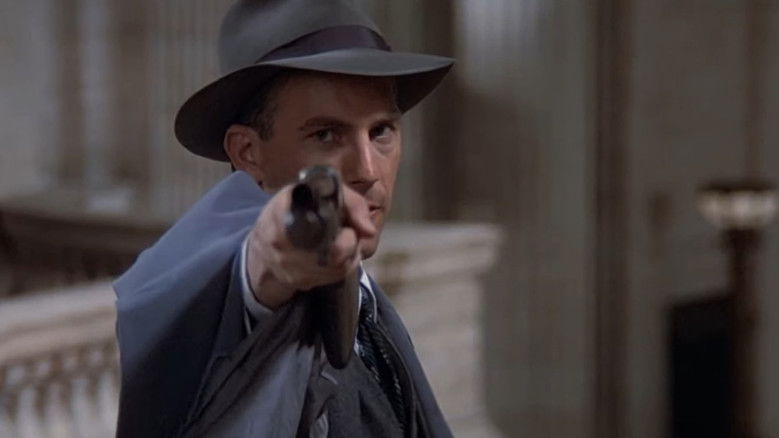
Martin Scorsese finally won his long-deserved Best Director Oscar for 'The Departed,' a gripping, twist-filled crime thriller set in Boston. This brilliant cat-and-mouse game stars Leonardo DiCaprio as an undercover cop and Matt Damon as a mole working for a ruthless Irish mob boss, played with terrifying intensity by Jack Nicholson. The film is a masterclass in tension and suspense, with every scene ratcheting up the stakes. It's a remake of the Hong Kong film 'Infernal Affairs,' but Scorsese makes it uniquely his own with its gritty atmosphere and powerhouse performances from an all-star cast.

4. Scarface (1983)
Al Pacino's ferocious portrayal of Tony Montana in Brian De Palma's 'Scarface' is a cultural phenomenon. This rags-to-riches-to-ruin story of a Cuban refugee who becomes a powerful drug lord is a stylized, over-the-top explosion of ambition, excess, and violence. The film was initially met with controversy due to its graphic content, but it has since become a cult classic, with its iconic lines and imagery deeply embedded in popular culture. Did you know that Pacino actually burned his hand on a prop machine gun during filming? His commitment to the role is palpable, making Tony Montana an unforgettable anti-hero.

3. Casino (1995)
Another Scorsese masterpiece, 'Casino' reunites Robert De Niro and Joe Pesci in a sprawling, opulent, and ultimately tragic tale of the mob's control over Las Vegas in the 1970s and 80s. Sharon Stone delivers a powerhouse, Oscar-nominated performance as Ginger McKenna, a character based on real-life mob wife Geri McGee. The film's intricate narrative, stunning costume design (reportedly over 100 costume changes for De Niro alone), and Scorsese's signature kinetic style create a dazzling, yet chilling, portrait of ambition and excess. It’s a fascinating look at how the mob ran things, and how quickly it all came crashing down.

2. GoodFellas (1990)
Martin Scorsese's 'GoodFellas' is a visceral, electrifying plunge into the real-life world of the Lucchese crime family, based on Nicholas Pileggi's non-fiction book 'Wiseguy.' Robert De Niro, Joe Pesci, and Ray Liotta deliver career-defining performances, especially Pesci, whose explosive portrayal of Tommy DeVito snagged him an Oscar. The film's innovative use of voiceover, freeze-frames, and a meticulously curated soundtrack of classic rock and pop hits immerses you in the seductive yet brutal reality of mob life. It’s a film that moves at a breakneck pace, never letting up, and its influence on subsequent gangster films is undeniable. You'll be quoting lines and humming tunes long after the credits roll.

1. The Godfather (1972)
Francis Ford Coppola's 'The Godfather' isn't just a movie; it's a cinematic bible, a masterclass in storytelling that redefined the gangster genre. Marlon Brando's portrayal of Vito Corleone is nothing short of iconic, earning him an Academy Award – though he famously declined it. The film's influence extends far beyond cinema, shaping popular culture and even inspiring real-life figures. Did you know that the famous line, 'I'm gonna make him an offer he can't refuse,' was ad-libbed by Brando? This film is a tapestry of power, family, and betrayal, all underscored by Nino Rota's hauntingly beautiful score. It's an absolute must-watch that demands your attention with every meticulously crafted scene.