Top war movies and series: a definitive guide to the best of the genre
Exploring the most impactful war films and series ever produced. This collection highlights cinematic masterpieces that define the genre through historical accuracy and intense storytelling.
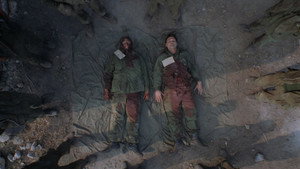
War cinema occupies a unique space in film history, often serving as both a harrowing historical record and a profound meditation on the human condition. While some directors focus on the tactical scale of major battles, others choose to examine the psychological scars left on those caught in the crossfire. It is fascinating to note how production techniques have evolved; for instance, the sheer logistical challenge of filming scenes like the D-Day landing in Saving Private Ryan forever changed how directors approach combat realism.
Beyond the pyrotechnics and battlefield strategy, the true power of these films lies in their ability to strip away the politics of conflict to reveal the raw, often tragic experiences of individuals. Whether it is the surreal descent into madness depicted in Apocalypse Now or the meticulous, quiet tension of Dunkirk, these stories demand our attention. Many of these projects also relied on rigorous research or the personal experiences of veterans to achieve their authenticity. As you explore these titles, look closely at how the cinematography shifts from the chaotic, handheld grit of modern epics to the stark, haunting compositions of classics like Paths of Glory. These films are not just entertainment; they are essential viewing for understanding the complexities of conflict.
12. Paths of Glory (1957)
A timeless critique of military bureaucracy and the insanity of the First World War. Kirk Douglas gives a commanding performance as a French officer who attempts to defend his men against a charge of cowardice orchestrated by callous, power-hungry generals. The film is a sharp, black-and-white indictment of the disconnect between the high command and the soldiers in the trenches. Its message remains chillingly relevant, showing how ego and political ambition can lead to the meaningless destruction of countless lives. It is lean, focused, and punchy, proving that you do not need massive budgets to make a profound statement.

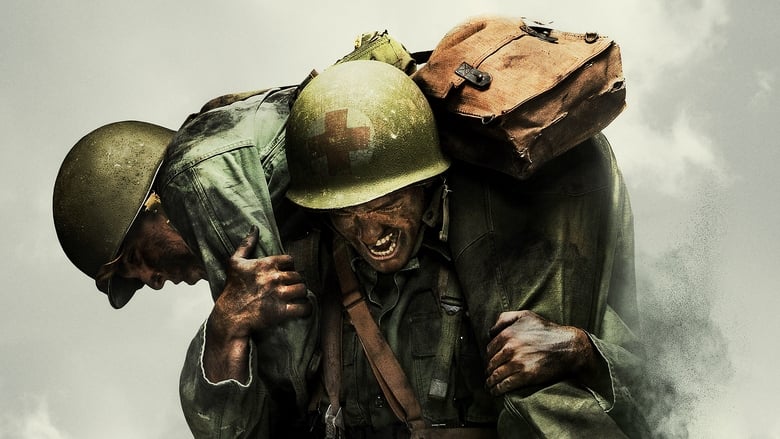
11. Hacksaw Ridge (2016)
Directed by Mel Gibson, this tells the incredible true story of Desmond Doss, a conscientious objector who refused to carry a weapon but served as a medic in the Battle of Okinawa. The contrast between the peaceful, religious conviction of the protagonist and the extreme, graphic violence of the battlefield is stark and intentional. While the combat scenes are staged with intense, unflinching ferocity, the core of the story remains focused on the power of personal conviction. It is a traditional, old-school war epic that succeeds through the sheer force of its central performance by Andrew Garfield.
10. Black Hawk Down (2001)
Ridley Scott delivers a visceral, high-octane account of the 1993 raid in Mogadishu. The film is essentially one extended, unrelenting battle sequence that puts the viewer in the boots of the soldiers trapped in a hostile city. Scott's use of rapid-fire editing and gritty, realistic cinematography creates a sense of chaos that is difficult to shake. While it focuses heavily on the tactical, technical aspects of modern urban warfare, it also pays tribute to the intense camaraderie developed under fire. It is a relentless, exhausting, and highly efficient piece of action cinema.

9. The Thin Red Line (1998)
Terrence Malick returned to filmmaking after a twenty-year hiatus to create this poetic, sprawling meditation on the nature of existence amidst the Battle of Guadalcanal. It is not a typical combat movie; it is a philosophical essay that uses voice-over narration to question the presence of divinity in a world filled with slaughter. While it features intense battle sequences, the heart of the film lies in its quiet moments of nature and introspection. It is a divisive work, but for those willing to embrace its unconventional, impressionistic rhythm, it offers a unique and haunting perspective.
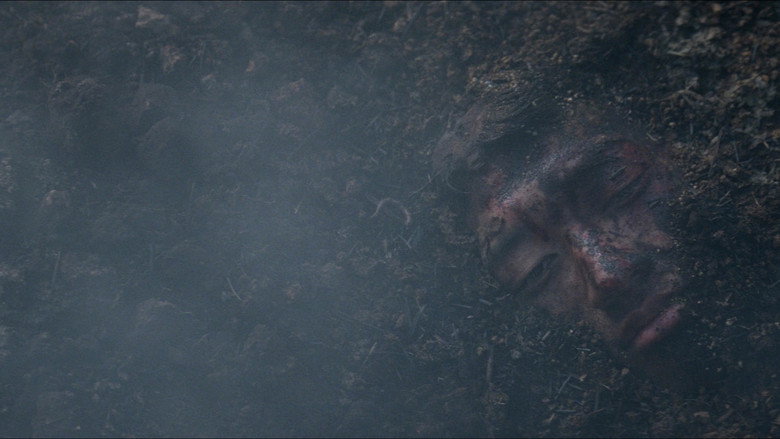
8. The Deer Hunter (1978)
This film is a harrowing study of how the trauma of war follows soldiers home, long after the fighting stops. Michael Cimino explores the lives of three steelworkers from Pennsylvania whose bonds are shattered by their experiences in Vietnam. The famous Russian roulette sequences serve as a brutal, metaphorical representation of the random, senseless nature of their ordeal. It is a long, deliberate, and emotionally exhausting journey that highlights the psychological disintegration of the American dream in the wake of an unpopular conflict. Christopher Walken's performance is particularly devastating.
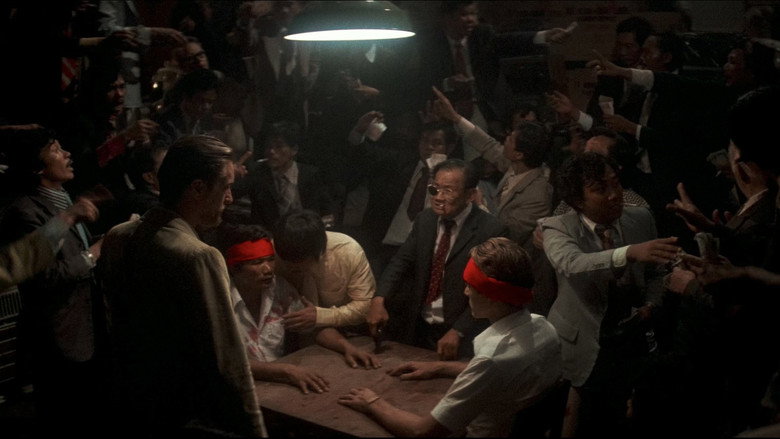
7. Letters from Iwo Jima (2006)
Clint Eastwood offers a rare and powerful perspective by telling the story of the Battle of Iwo Jima entirely from the Japanese viewpoint. By pairing this with Flags of Our Fathers, he provided a dual-layered look at the same event, but this installment stands stronger on its own. Ken Watanabe is magnificent as General Kuribayashi, a leader who understands the futility of the fight but remains committed to his duty. It is a quiet, tragic, and deeply respectful film that focuses on the humanity of the enemy, forcing the viewer to confront the universal suffering of those on the front lines.

6. Platoon (1986)
Oliver Stone drew directly from his own experiences as an infantryman in Vietnam, and that personal connection is palpable in every frame. It avoids the glorification of conflict, focusing instead on the internal moral tug-of-war between two sergeants representing opposing ideologies of survival and humanity. Charlie Sheen's character serves as the audience's eyes into a world that is muddy, confusing, and morally grey. It captures the psychological toll on young soldiers who realize too late that they are pawns in a much larger, darker game.
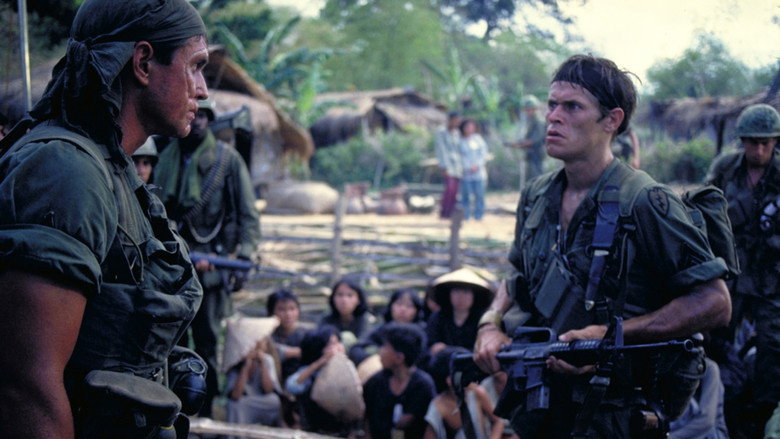
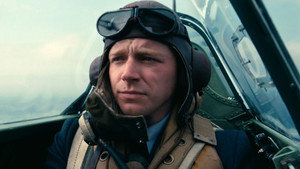
5. Dunkirk (2017)
Christopher Nolan crafted a masterclass in tension by focusing on the mechanics of survival rather than traditional character arcs. By weaving together three timelines—on land, at sea, and in the air—the film builds a constant, ticking-clock pressure that rarely lets up. Hans Zimmer's score, built around the sound of Nolan's own pocket watch, drives the urgency forward. It is a technical marvel that relies on practical effects and thousands of extras rather than CGI, making the scale of the evacuation feel overwhelming and terrifyingly real.

4. Full Metal Jacket (1987)
Stanley Kubrick partitions his narrative into two distinct halves: the grueling, dehumanizing process of Marine Corps basic training and the surreal, urban nightmare of the Tet Offensive. R. Lee Ermey, who was a real-life drill instructor, improvised much of his relentless dialogue, bringing a terrifying authenticity to the first act. The film excels at showing how the military machine strips away individuality to create killers, only to have those same individuals confront the absurdity of war in the ruins of Hue. It is cold, calculated, and utterly brilliant.
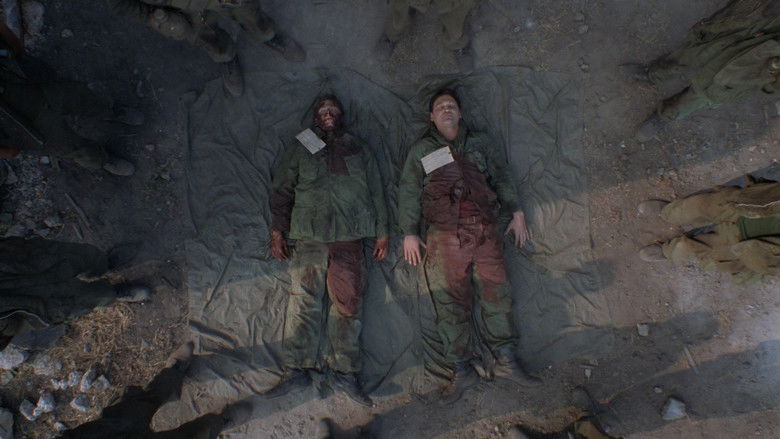
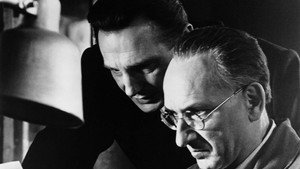
3. Schindler's List (1993)
A profound testament to the human spirit, Steven Spielberg captured the Holocaust with a stark, brutal honesty by filming almost entirely in black and white. Liam Neeson delivers a career-defining performance as Oskar Schindler, a man whose evolution from war profiteer to unlikely savior is handled with incredible nuance. The decision to focus on the small, individual acts of courage amidst industrial-scale horror makes the experience deeply personal rather than just historical. It is a heavy, essential watch that demands your full attention, leaving an indelible mark on anyone who views it.

2. Apocalypse Now (1979)
Francis Ford Coppola took Joseph Conrad's Heart of Darkness and plunged it into the madness of the Vietnam War. This production was famously plagued by disasters, including a typhoon that destroyed sets and Martin Sheen suffering a heart attack on location. Yet, these real-world struggles bleed into the final product, creating an atmosphere of genuine psychological collapse. With Marlon Brando's haunting presence and a score that feels like a fever dream, it stands as a surreal, philosophical examination of human nature stripped of civilization's constraints. It is less a traditional narrative and more an descent into the abyss.

1. Saving Private Ryan (1998)
This masterpiece redefined the combat genre forever. Steven Spielberg and cinematographer Janusz Kaminski utilized a desaturated color palette and a revolutionary handheld camera technique to drop viewers directly into the chaos of Omaha Beach. The opening 20 minutes remain an unparalleled achievement in technical filmmaking. Beyond the spectacle, it is a deeply human story about the weight of leadership and the moral cost of sacrifice, anchored by Tom Hanks in one of his most restrained yet powerful performances. The production was so authentic that veterans of the actual invasion reportedly had to walk out of screenings due to the harrowing accuracy.