Top films depicting the history and culture of the Islamic world
Exploring the historical and cultural narratives of the Islamic world through cinema. These films offer a lens into the complex events that shaped civilizations across centuries.
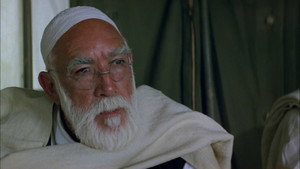


Cinema has long served as a powerful tool to depict the intricate history, conflicts, and cultural richness of the Islamic world. From the epic scale of Moustapha Akkad's work in 'The Message' and 'Lion of the Desert', which sought to provide a nuanced perspective on Islamic history, to the gritty, realistic portrayals found in 'The Battle of Algiers', these films go beyond mere spectacle. It is fascinating how filmmakers balance historical accuracy with dramatic storytelling, often navigating the delicate line between cultural representation and Western cinematic tropes. Some films, like 'Kingdom of Heaven', highlight the complexities of the Crusades, while others, such as 'Theeb', offer a more intimate, localized perspective on survival and tradition. Understanding these narratives requires looking at both the grand sweep of empires and the personal stories of those caught in the tide of history. Whether examining the golden age or modern struggles, these movies provide essential context for appreciating the depth and diversity of Islamic history on screen.
8. The Battle of Algiers (1966)
While it focuses on the Algerian War of Independence, this film is essential for understanding the psychological and tactical realities of decolonization in an Islamic-majority nation. Shot in a gritty, documentary style, it feels so authentic that it has been used in both military and revolutionary training programs globally. The film captures the claustrophobic tension of urban warfare and the unwavering determination of the resistance. It is a stark, powerful, and uncompromising piece of cinema.

7. The 13th Warrior (1999)
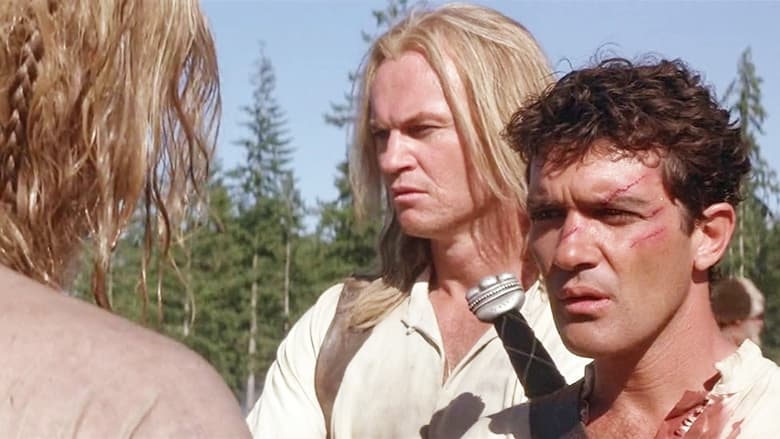
This film offers a fascinating blend of historical fiction and fantasy, following an ambassador from the Abbasid Caliphate who encounters a mysterious, warrior-like culture in the North. It is a high-octane adventure that showcases the breadth of the Islamic Golden Age's reach and the curiosity of its scholars. The contrast between the sophisticated, scholarly world of the protagonist and the brutal, primal environment he enters makes for a compelling watch. It is a cult classic that prioritizes action and myth-making.
6. Theeb (2014)
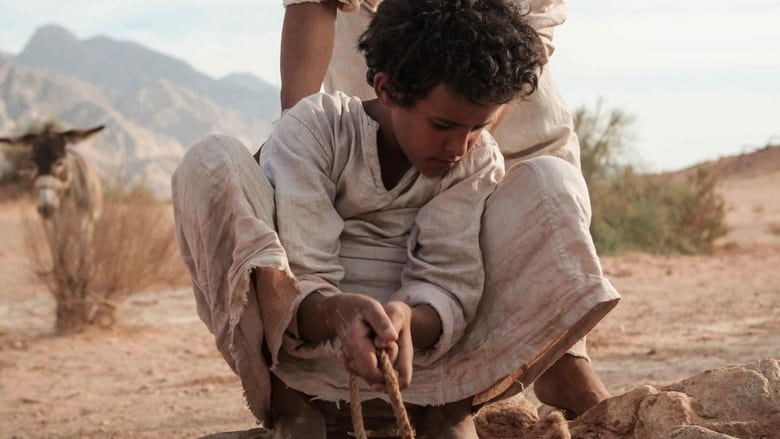
Set during World War I in the Ottoman Empire, this coming-of-age story is beautifully understated. Filmed with non-professional actors from the Bedouin community, it possesses an incredible sense of realism. The narrative follows a young boy navigating a dangerous landscape, offering a unique glimpse into nomadic life and the encroaching modern world. It is a minimalist, tight, and highly effective piece of storytelling that relies on atmosphere rather than grand spectacle.
5. Lawrence of Arabia (1962)
While primarily a British perspective on the Arab Revolt during World War I, this masterpiece is essential viewing for anyone interested in the region. David Lean creates a sweeping, visually breathtaking epic that captures the shifting alliances and the complex tribal dynamics of the time. The film is famous for its use of 70mm film, resulting in frames that are packed with detail, from the heat haze over the dunes to the intricate costumes of the Bedouin tribes. It is a landmark in filmmaking that completely redefined the genre.

4. Kingdom of Heaven (2005)
Ridley Scott crafts a visually stunning exploration of the Crusades, focusing on the defense of Jerusalem. The film is notable for its unusually balanced perspective, particularly in its portrayal of Saladin as a wise and honorable leader. While it takes creative liberties with history, the production design and the depiction of the siege warfare are top-tier. It captures the tension and the intellectual exchange between different cultures during this tumultuous era.

3. Lion of the Desert (1981)
Anthony Quinn returns to collaborate with director Moustapha Akkad for this powerful account of Omar Mukhtar, the Libyan resistance leader fighting against Italian colonial forces. The film is a masterclass in guerrilla warfare depiction, showcasing the tactical brilliance used against a technologically superior adversary. The cinematography highlights the vast, unforgiving Libyan landscape, turning the terrain itself into a major character. It is a stirring tribute to anti-colonial struggle and the sheer will of a people fighting for their independence.
2. Saladin (1963)
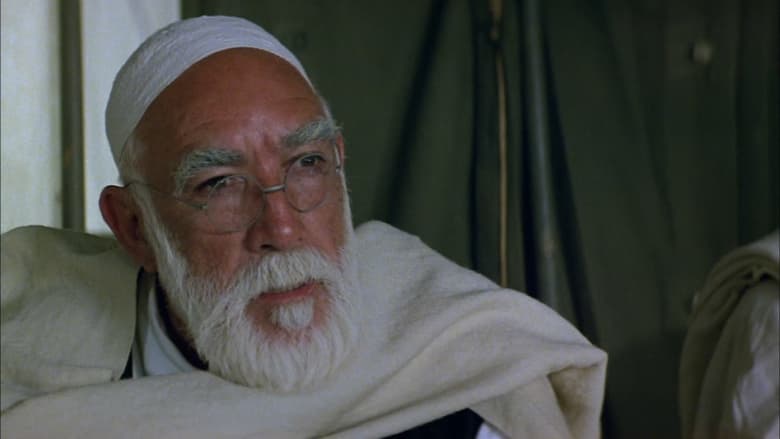
Youssef Chahine brings a grand, operatic scope to the life of Saladin, the legendary sultan who united the Muslim world during the Crusades. This epic is far more than a war film; it is a profound study of leadership, chivalry, and the complexities of interfaith conflict. The sheer scale of the battle sequences, combined with a deeply philosophical script, elevates this project into a league of its own. It provides a fascinating look at how Islamic history is interpreted through a lens of national pride and cultural heritage.

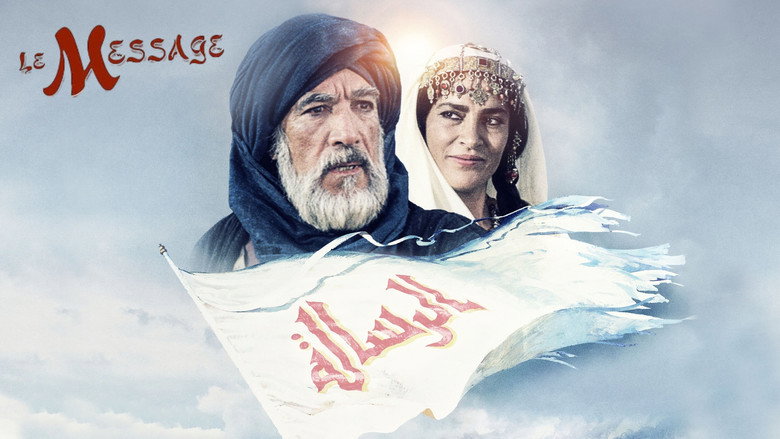
1. The Message (1976)
This is the definitive cinematic portrayal of the birth of Islam. Moustapha Akkad took the bold route of filming two versions simultaneously—one in English and one in Arabic—to ensure authenticity for global audiences. Anthony Quinn delivers a towering performance as Hamza, providing a grounded, human perspective on the early struggles of the Prophet Mohammad's followers. The production design is sheer brilliance, capturing the harsh beauty of the Arabian desert with a raw intensity that feels completely immersive. It remains a monumental achievement in religious historical drama.