Top 14 mind-bending movies to challenge your perception of reality
Sometimes reality feels a bit too rigid, and these films are the perfect antidote to break free from the mundane. Explore a collection of mind-bending cinema designed to challenge your perception of existence.



There is a specific kind of cinematic experience that demands more than just passive viewing; it requires an active surrender of your own logic. When we look for movies to 'free our minds', we are really looking for stories that play with the elasticity of time, memory, and the very fabric of what we call 'real'.
Did you know that for The Matrix, the cast underwent four months of intense martial arts training before filming even began? That commitment to physical grounding makes the subsequent reality-shattering sequences hit much harder. Similarly, films like Eternal Sunshine of the Spotless Mind utilize practical, in-camera effects to depict the collapsing of memories, proving that sometimes the most effective way to distort reality is to keep the production grounded in tangible, handmade techniques.
Whether it is the non-linear narrative structures that force you to reassemble the plot like a puzzle, or the existential questions posed by characters trapped in simulated lives, these films are designed to make you pause and reconsider your own surroundings once the credits roll. Prepare to question the nature of your own consciousness as you dive into these transformative narratives.
13. The Butterfly Effect (2004)
A high-concept thriller that explores the chaos theory through the lens of a young man who can travel back to his own childhood to alter the past. Every time he changes something, the present shifts in unexpected and often dark ways. It is a fast-paced look at the consequences of trying to curate the perfect life, highlighting that every action has a ripple effect that cannot be fully controlled.

12. Cloud Atlas (2012)
This massive undertaking by the Wachowskis and Tom Tykwer spans centuries, with the same actors playing different roles in various time periods. The message is one of interconnectedness, suggesting that our actions ripple through time in unexpected ways. While its sheer scale can be overwhelming, the makeup effects and the philosophical ambition make it an interesting experiment in storytelling across different genres.

11. Vanilla Sky (2001)
A remake of the Spanish film Abre los Ojos, this psychological thriller explores the vanity of the elite and the terrifying nature of a life that begins to unravel. Tom Cruise delivers a performance that leans into his own public persona, creating a meta-commentary on fame and self-perception. It is a stylish, confusing descent into a fractured psyche where the line between dream and reality is perpetually blurred.

10. The Science of Sleep (2006)
Gondry brings his signature DIY aesthetic to this story about the blurred lines between reality and the dream world. Using cardboard sets and stop-motion animation, the film feels like an extension of the protagonist's fragile, creative mind. It is a whimsical yet melancholic look at how we project our internal desires onto the outside world, and the difficulty of letting go of our own fantasies.

9. The Fountain (2006)
Darren Aronofsky's epic is a visual poem that connects three different time periods through the theme of mortality. The production famously avoided using CGI for the space sequences, opting instead for macro photography of chemical reactions, which gives the film a organic, ethereal beauty. It is a challenging, polarizing work that demands full attention to appreciate its grand scope and spiritual ambition.

8. Mr. Nobody (2009)
Jared Leto anchors this ambitious narrative that spans lifetimes and timelines. The film asks what happens when a person can see every possible path their life could take, and the emotional toll of making impossible choices. It is a visual feast that tackles the butterfly effect and quantum mechanics through a deeply emotional, human lens, despite its complex structure.

7. A Scanner Darkly (2006)
Using the same rotoscoping technique as Linklater's other works, this adaptation of Philip K. Dick's novel creates a suffocating atmosphere of paranoia. The visual style, where the characters appear to be constantly shifting and dissolving, mirrors the effects of the fictional drug Substance D. It is a bleak, technically impressive exploration of identity loss and state surveillance that feels uncomfortably grounded in reality.

6. Donnie Darko (2001)
This cult classic captures the alienation of adolescence through a lens of dark science fiction and time-bending mystery. Richard Kelly's debut features a haunting soundtrack and a tone that shifts between suburban satire and genuine dread. It asks difficult questions about fate and sacrifice, leaving the viewer to piece together the puzzle of its complex timeline long after the credits roll. It remains a benchmark for independent psychological thrillers.

5. Being John Malkovich (1999)
Spike Jonze and Charlie Kaufman pushed the boundaries of surrealism with this bizarre, hilarious, and deeply unsettling tale. The premise—that a failed puppeteer finds a portal into the mind of a famous actor—is absurd, yet the film treats it with absolute sincerity. It explores themes of identity, fame, and the desire to be someone else with a dark, twisted sense of humor that is entirely unique in cinema history.
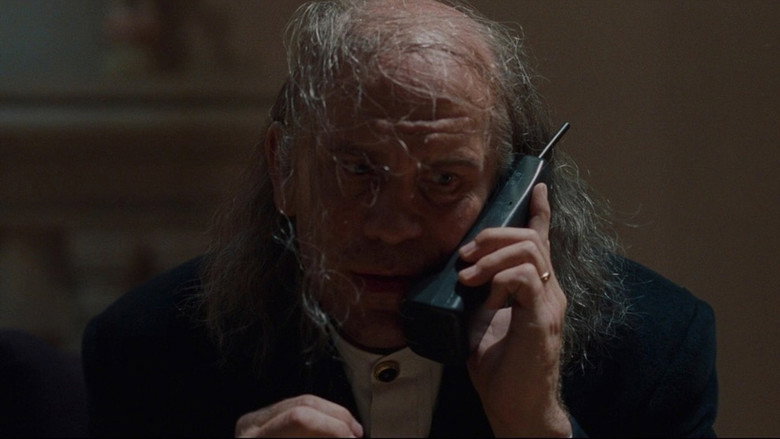
4. Waking Life (2001)
Richard Linklater utilized rotoscope animation to create a dreamlike, fluid aesthetic that perfectly mirrors the film's philosophical musings. It is essentially a series of conversations about free will, lucid dreaming, and the nature of consciousness, structured like a wandering dream sequence. There is no traditional plot, which allows the viewer to float through abstract ideas without the constraints of linear storytelling. It is an essential watch for anyone who enjoys losing themselves in pure thought.

4. The Truman Show (1998)
Peter Weir's satire of media culture feels more prescient with every passing year. Jim Carrey delivers a career-defining performance that relies heavily on his background in physical comedy to convey deep, existential dread. The film is a brilliant study of what happens when a person realizes their entire existence is a constructed performance for the amusement of others. It challenges viewers to consider the authenticity of their own lives in an age of constant surveillance.

3. Inception (2010)
Christopher Nolan spent a decade refining this screenplay, and it shows in every layer of its intricate dream-logic. The production design is a masterclass in spatial disorientation, using real sets and rotating corridors to ground the high-concept premise in a tangible, physical weight. Hans Zimmer's score, built around slowed-down samples of Edith Piaf's Non, je ne regrette rien, provides a haunting, ticking-clock tension that keeps your pulse racing as you navigate the nested levels of the subconscious.

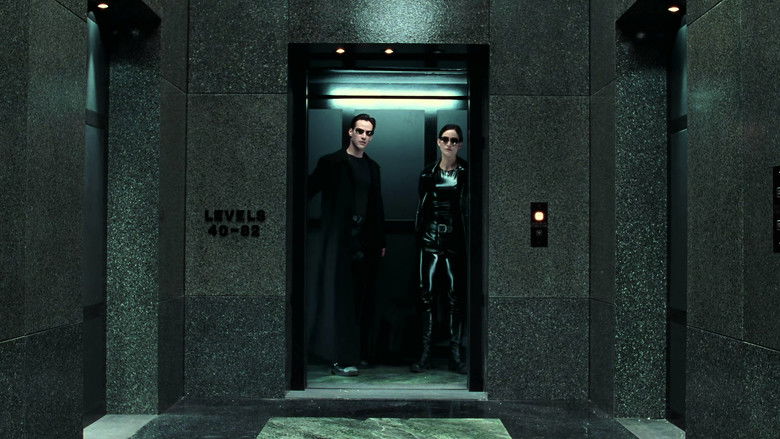
2. The Matrix (1999)
This film did not just change science fiction; it fundamentally altered how we perceive our daily digital existence. The Wachowskis blended Hong Kong action sensibilities with cyberpunk philosophy to create a visual lexicon that is still being imitated today. Beyond the iconic bullet-time sequences, the script is a dense web of Baudrillardian theory and existential questions. It remains the ultimate invitation to question the nature of your own reality and the systems that dictate your perception.
1. Eternal Sunshine of the Spotless Mind (2004)
Charlie Kaufman and Michel Gondry created a masterpiece that deconstructs the architecture of human attachment. By utilizing practical effects instead of heavy CGI, the film maintains an intimate, tactile feel as the narrative collapses inward. The visual language of erasing memories—where rooms literally vanish around the characters—serves as a profound metaphor for the fragility of our own histories. Watching this is a transformative exercise in empathy and the acceptance of pain as a necessary component of the human experience.