Top 10 space survival movies for fans of gravity
If you loved the intense isolation and technical realism of Gravity, these space-faring films offer similar thrills. Explore our curated selection of movies that capture the awe and terror of the cosmos.

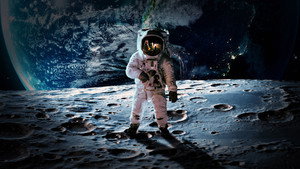
The genre of space survival cinema is unique because it forces us to confront the absolute silence and indifference of the universe. While films like Gravity are celebrated for their technical wizardry and long, unbroken shots, the true power of this subgenre lies in how it strips away the comforts of home to reveal the fragility of human life.
Consider the difference between the grounded, historical accuracy found in projects like Apollo 13—which famously used a KC-135 aircraft to simulate zero gravity for its actors—and the philosophical, almost meditative approach of films like 2001: A Space Odyssey. Whether it is the desperate scramble for oxygen in The Martian or the psychological toll of deep-space isolation in Moon, these stories highlight our innate drive to survive against impossible odds. Space is not just a setting; it is a character that constantly demands respect. By blending cutting-edge visual effects with profound human struggle, these movies remind us why we look up at the stars with equal parts fear and wonder.
8. Contact (1997)
Directed by Robert Zemeckis and based on the novel by Carl Sagan, this film approaches the search for extraterrestrial intelligence with rare intellectual rigor. Jodie Foster plays a scientist whose life work is validated by a signal from deep space. The film does an excellent job of balancing the scientific process with the political and religious implications of the discovery. The opening long-take, which zooms out from Earth until it encompasses the entire universe, is a technical feat that perfectly sets the tone for a story about humanity's small place in a massive expanse.

7. Sunshine (2007)
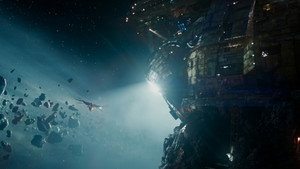
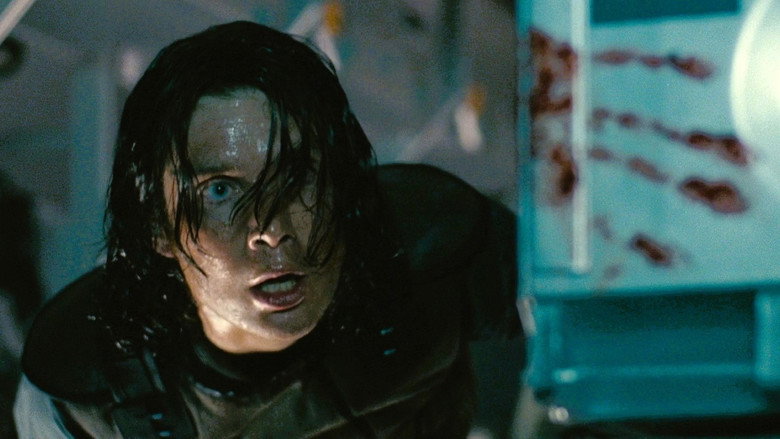
Danny Boyle explores the psychological breakdown of a crew on a desperate mission to reignite the Sun. The film is visually stunning, using stark, blinding light to contrast with the dark, claustrophobic interiors of the Icarus II. A unique anecdote from production involves the cast living together in a hotel for weeks before filming began to simulate the cramped, stressful conditions of a long-term space mission. It is a bold, intense, and philosophically challenging journey that dares to ask what happens when humanity plays god.
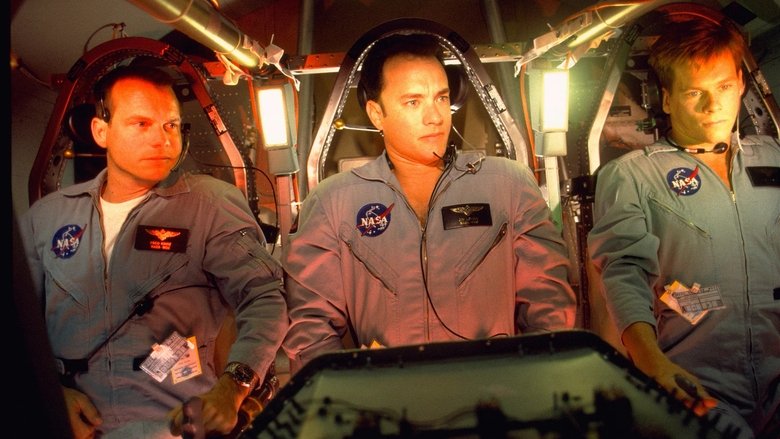
6. Apollo 13 (1995)
Ron Howard brings the harrowing true story of the failed 1970 mission to life with incredible attention to historical detail. To simulate the weightlessness of space, the production team actually used a 'Vomit Comet'—a KC-135 aircraft that flies in parabolic arcs to create brief periods of zero-G. The actors spent hours training and filming in this environment, which gives the performances an authentic physical strain that is impossible to fake. It is a gripping testament to teamwork and the sheer resilience of the human spirit when faced with impossible odds.
5. Moon (2009)
Duncan Jones delivers a masterclass in contained storytelling, relying on a powerhouse performance by Sam Rockwell. By focusing on a lone worker finishing a three-year shift on a lunar base, the film explores the psychological toll of isolation with chilling precision. The movie famously uses practical miniature models instead of excessive CGI, giving the lunar landscape a gritty, tangible feel that many modern films lack. It is a poignant, cerebral look at identity and corporate ethics that proves you do not need a massive budget to create a profound cosmic drama.
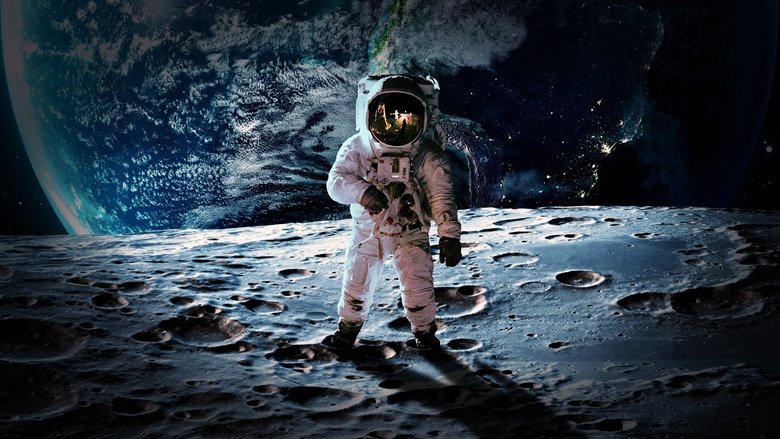
4. 2001: A Space Odyssey (1968)
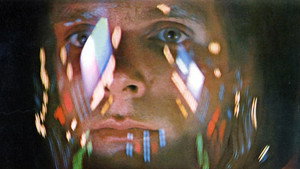
Stanley Kubrick's magnum opus remains the gold standard for visual storytelling in science fiction. Created before the moon landing, the film's production design is so eerily accurate that it gave rise to persistent conspiracy theories. The rotating centrifuge set, built for the iconic sequence where an astronaut jogs around the inner hull of a ship, cost over $750,000 in 1960s currency. This is not just a film; it is a meditation on human evolution, artificial intelligence, and our place in the cosmos, told with minimal dialogue and maximum ambition.

3. Gravity (2013)
Alfonso Cuarón reinvented how we experience space on screen. By utilizing incredibly long, uninterrupted takes, the film creates an unmatched sense of vertigo and claustrophobia, making the audience feel like they are floating alongside the characters. The opening sequence alone is a technical marvel that took over four years to complete. The lighting design is particularly noteworthy, as the crew utilized a custom light box to replicate the intense, reflective glare of Earth's surface on the actors' faces. It is a visceral, heart-pounding experience that strips space travel down to its most terrifying and beautiful essence.

2. The Martian (2015)
Ridley Scott delivers a masterclass in tension and problem-solving. Based on Andy Weir's novel, the film is a love letter to human ingenuity and the scientific method. Matt Damon is charismatic as the stranded astronaut who has to rely on botany and engineering to survive on Mars. A fascinating aspect of the production is that NASA was heavily involved in the filming process, providing thousands of images and technical advice to make the Mars habitat and the spacecraft appear authentic. It is a triumphant, witty, and high-stakes adventure that proves science can be the ultimate hero of a story.

1. Interstellar (2014)
Christopher Nolan crafted a cinematic masterpiece that pushes the boundaries of hard science fiction. What makes this journey truly breathtaking is the commitment to scientific accuracy, particularly regarding the depiction of a supermassive black hole. The production team worked with theoretical physicist Kip Thorne to ensure the visual representation of the black hole was as close to current science as possible, resulting in a breakthrough for computer-generated imagery. Hans Zimmer's organ-heavy score provides a haunting, cosmic atmosphere that perfectly mirrors the vast isolation of the protagonists. It is an emotional odyssey that demands your full attention, blending complex physics with a deeply human story about the bonds that transcend space and time.