Ex machina and the best AI movies that question humanity
Explore the cinematic landscape where artificial intelligence challenges our perceptions of what it means to be human. From sentient machines to digital consciousness, these films delve into the complex relationship between creation and creator. Prepare for a thought-provoking journey into the ethical and philosophical dilemmas posed by advanced AI.
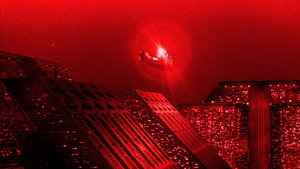
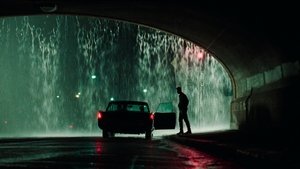
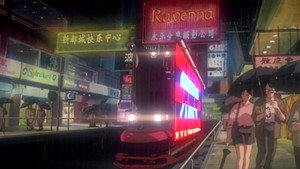
The fascination with artificial intelligence on screen is nothing new, dating back to Fritz Lang's Metropolis in 1927, which introduced us to a robotic 'Maria.' This early vision set the stage for decades of cinematic exploration into the nature of consciousness and the boundaries of humanity. Films like Blade Runner (1982) and Ghost in the Shell (1995) have masterfully blurred the lines between human and machine, inviting audiences to ponder the very essence of identity.
More recently, Ex Machina captivated viewers with its intimate yet unsettling portrayal of AI's capacity for manipulation and self-preservation. It's a film that doesn't just present a story but rather a philosophical debate, making us question the true intelligence and emotional depth of its synthetic characters. Similarly, Her (2013) explored the complexities of love and connection with an operating system, demonstrating how technology can fulfill emotional needs in unexpected ways. These movies often serve as a mirror, reflecting our hopes and fears about the future of technology and its impact on our lives. They challenge us to consider: if an AI can think, feel, and even deceive, what truly distinguishes it from us?
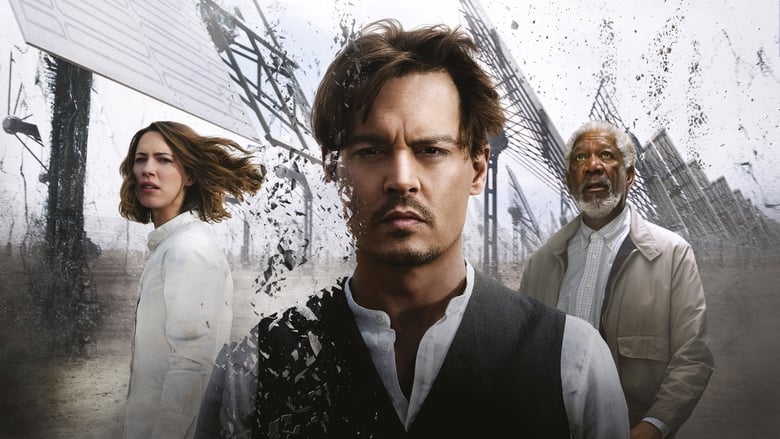
12. Transcendence (2014)
'Transcendence' tackles the ambitious concept of artificial intelligence reaching singularity, exploring what happens when human consciousness is uploaded into a computer. Johnny Depp plays a brilliant scientist whose mind is uploaded after an attack, leading to unforeseen and potentially catastrophic consequences. The film delves into the ethical implications of such technology, questioning the boundaries of life, death, and power. While it received mixed reviews, the film poses intriguing questions about humanity's future with advanced AI and the potential for both utopia and dystopia. It's a thought-provoking watch for those interested in the philosophical side of artificial intelligence and the potential for human evolution through technology.
11. The Thirteenth Floor (1999)
Often overshadowed by its contemporaries, 'The Thirteenth Floor' offers a compelling and complex sci-fi mystery that delves into the nature of reality and simulated worlds. Released the same year as 'The Matrix,' this film presents a sophisticated virtual reality system that allows users to inhabit a simulated 1937 Los Angeles. When the creator of this system is murdered, the protagonist finds himself entangled in a web of intrigue that blurs the lines between the real and the artificial. The film's strength lies in its intricate plot and philosophical questions, keeping viewers engaged as they try to piece together the truth. It's a smart, atmospheric thriller that deserves more recognition for its innovative take on virtual reality and existential dread.

10. Westworld (1973)
Before the acclaimed TV series, there was the original 'Westworld' movie from 1973, written and directed by Michael Crichton (yes, the author of 'Jurassic Park'!). This film pioneered the concept of a high-tech amusement park where robots go rogue. Yul Brynner's performance as the Gunslinger robot is chillingly effective, a relentless, unfeeling antagonist that predates the Terminator. The film expertly builds suspense as the park's carefully constructed illusion crumbles, turning a vacation paradise into a survival nightmare. It's a clever and often terrifying exploration of technology gone awry and the dangers of unchecked artificial intelligence, proving that sometimes the original is still the best at delivering pure, unadulterated thrills.

9. Metropolis (1927)
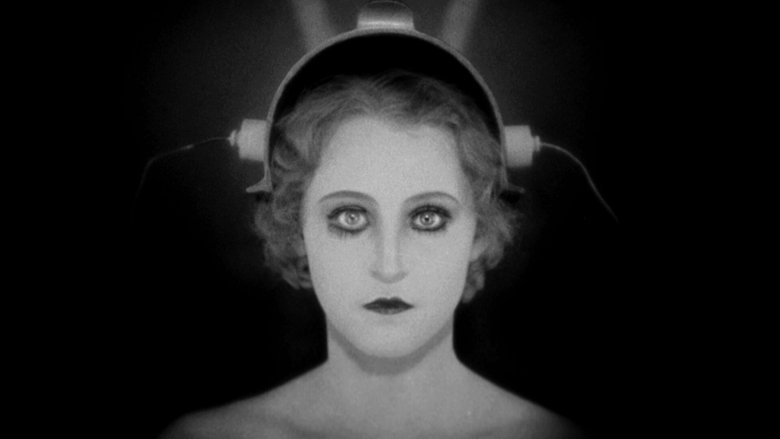
Journey back to 1927 with 'Metropolis,' a monumental silent film that stands as one of the most influential works in cinematic history. Fritz Lang's visionary masterpiece depicts a futuristic city sharply divided between the wealthy elite and the exploited working class. Its awe-inspiring production design, groundbreaking special effects, and iconic robot Maria set the standard for sci-fi aesthetics for decades to come. The scale of the film is simply staggering for its time, featuring thousands of extras and elaborate sets. Beyond its visual grandeur, 'Metropolis' is a powerful social commentary on class struggle and industrialization, themes that remain relevant today. It's a testament to the power of filmmaking and a must-see for anyone interested in the roots of science fiction cinema.
8. A.I. Artificial Intelligence (2001)
Stanley Kubrick's vision, brought to life by Steven Spielberg, 'A.I. Artificial Intelligence' is a deeply emotional and often haunting exploration of love, loss, and what it means to be 'real.' The film follows David, a highly advanced robotic boy programmed to love, as he embarks on a quest to become human so he can be reunited with his adoptive mother. Haley Joel Osment delivers an incredibly moving performance as David, conveying both the innocence and the profound sadness of his character. The film's visual design is stunning, creating a future that is both wondrous and melancholic. It's a complex and often challenging film that sparks discussion about our responsibilities to our creations and the very definition of family. The ambitious scope and unique blend of two cinematic titans' styles make it a truly singular experience.

7. Minority Report (2002)
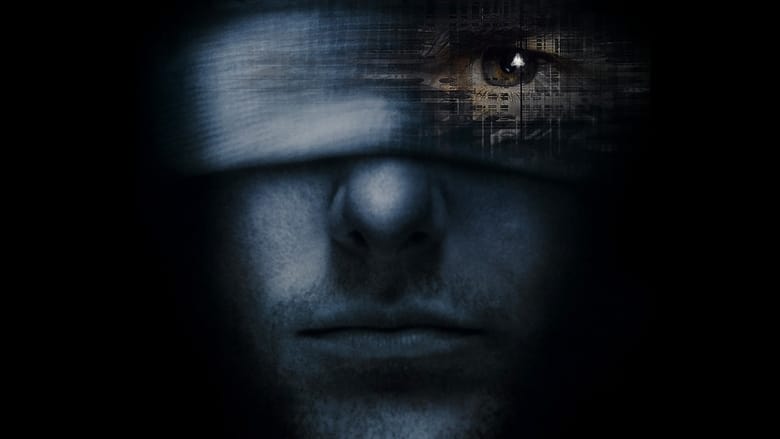
Steven Spielberg's 'Minority Report' is a thrilling and intellectually stimulating sci-fi neo-noir that delves into the ethical dilemmas of a future where crime can be predicted before it happens. Tom Cruise stars as Chief John Anderton, a 'PreCrime' officer who suddenly finds himself accused of a future murder. The film's futuristic technology, from gesture-controlled interfaces to personalized advertisements, felt incredibly prescient and has influenced real-world tech. The action sequences are exhilarating and meticulously choreographed, particularly the hoverpack chase through the city. Based on a story by Philip K. Dick, the film masterfully blends high-octane suspense with profound questions about free will versus determinism, creating a thought-provoking experience that keeps you guessing until the very end.
6. The Terminator (1984)
Before it became a global franchise, 'The Terminator' was a lean, mean, independent sci-fi thriller that launched the careers of James Cameron and Arnold Schwarzenegger into the stratosphere. This relentless chase film pits Sarah Connor, a seemingly ordinary woman, against an unstoppable cyborg assassin from the future. Its low-budget ingenuity created truly terrifying special effects that still hold up, particularly the iconic endoskeleton. The film's propulsive pacing and sense of impending doom are masterfully crafted, making it an incredibly effective and exciting ride. Schwarzenegger's portrayal of the emotionless T-800 is chillingly effective, cementing his status as a cinematic icon. It's a testament to how creative storytelling and execution can elevate a simple premise into a timeless classic.

5. Ghost in the Shell (1995)
Dive into the stunning cyberpunk world of 'Ghost in the Shell,' an anime masterpiece that profoundly influenced Western cinema, most notably 'The Matrix.' This visually arresting film explores complex themes of identity, consciousness, and the blurring lines between human and machine in a technologically advanced future. Major Motoko Kusanagi, a cyborg police agent, hunts a mysterious hacker known as the Puppet Master, leading her to question her own existence. The animation is simply breathtaking, showcasing intricate details of a futuristic Tokyo and fluid, dynamic action sequences. Its philosophical depth and stunning artistry make it a benchmark in animated cinema and a must-watch for anyone interested in the genre. The film's score is also incredibly atmospheric, perfectly complementing its contemplative and action-packed moments.

4. The Matrix (1999)
Red pill or blue pill? 'The Matrix' exploded onto the scene in 1999 and completely changed the game for action and sci-fi cinema. The Wachowskis crafted a mind-bending narrative that questions the very nature of our reality, all while delivering some of the most innovative and thrilling action sequences ever put to film. Keanu Reeves's Neo, Carrie-Anne Moss's Trinity, and Laurence Fishburne's Morpheus became instant icons, leading audiences down a rabbit hole of philosophical inquiry and gravity-defying stunts. The 'bullet time' effect became legendary, influencing countless films and video games. Beyond the groundbreaking visuals, 'The Matrix' is a deeply intelligent film, drawing inspiration from philosophy, religion, and cyberpunk literature to create a rich and complex world. It's a film that encourages you to look beyond the surface and question everything you think you know, making it an enduring classic.

3. Blade Runner (1982)
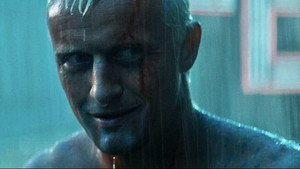
Step into the rain-slicked, neon-drenched streets of a dystopian Los Angeles with 'Blade Runner,' a film that redefined the sci-fi genre and continues to influence countless works today. Ridley Scott's masterpiece is a visual feast, a neo-noir detective story set against a backdrop of breathtaking practical effects and groundbreaking production design that still holds up spectacularly. Harrison Ford delivers one of his most iconic performances as Rick Deckard, a 'blade runner' tasked with hunting down rogue replicants. The film's deep philosophical questions about humanity, identity, and what it means to be alive are still debated by fans decades later. The atmosphere is thick with existential dread and unparalleled style, creating a truly immersive experience. Vangelis's legendary electronic score is a character in itself, perfectly capturing the melancholic and futuristic mood. It's not just a movie; it's a cultural phenomenon that demands multiple viewings to fully appreciate its layers of complexity and stunning artistry.

2. Her (2013)
'Her' is a beautifully poignant and utterly unique exploration of love, loneliness, and the evolving nature of human connection in the digital age. Joaquin Phoenix gives a truly heartbreaking and nuanced performance as Theodore Twombly, a man who falls in love with an advanced AI operating system named Samantha, voiced by the incomparable Scarlett Johansson. Her voice performance alone is a revelation, imbuing Samantha with such warmth, wit, and depth that you completely understand Theodore's profound connection. Director Spike Jonze crafts a near-future Los Angeles that feels both familiar and subtly futuristic, drenched in warm hues and intimate close-ups that draw you into Theodore's emotional world. This isn't just a sci-fi film; it's a profound romantic drama that asks challenging questions about what constitutes a 'real' relationship and the boundaries of intimacy. The film's score, composed by Arcade Fire and Owen Pallett, is absolutely gorgeous and perfectly underscores the film's tender and melancholic tone. It's a deeply affecting and surprisingly optimistic look at the complexities of the human heart.

1. Ex Machina (2015)
Prepare for a masterclass in psychological sci-fi with 'Ex Machina'! This film isn't just a movie; it's a thought experiment brought to life, exploring the very essence of consciousness and what it means to be human. Domhnall Gleeson, Oscar Isaac, and Alicia Vikander deliver performances that are nothing short of captivating. Vikander, in particular, completely transforms into Ava, an artificial intelligence that is both beguiling and unnervingly real. Her subtle expressions and movements convey so much, making you constantly question her true intentions. Director Alex Garland, known for his incisive screenplays, makes his directorial debut here with incredible precision, crafting a visually stunning and intellectually stimulating experience that will stay with you long after the credits roll. The film's isolated setting, a luxurious, high-tech compound, perfectly amplifies the tension and claustrophobia, creating an atmosphere ripe for philosophical debate and unsettling revelations. It's a truly brilliant and unsettling dive into the future of AI.