Cult classics: Exploring controversial themes in cinema
Delve into the world of cult classics that dare to tackle sensitive content, pushing boundaries and sparking discussions. These films have garnered dedicated followings for their unique perspectives and often challenging narratives.
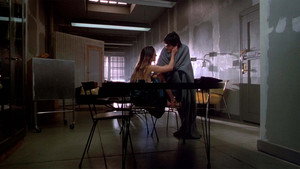
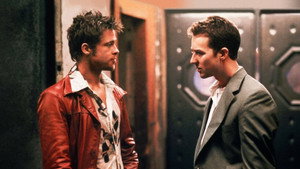

Cult classics often achieve their status by defying conventional storytelling and tackling themes that mainstream cinema shies away from. These films aren't just entertainment; they're cultural touchstones that provoke thought and discussion, often becoming more relevant with time.
Take, for instance, A Clockwork Orange, Stanley Kubrick's dystopian masterpiece. Its exploration of free will versus state control, presented with unsettling imagery, was so controversial upon its release that Kubrick himself withdrew it from UK distribution for many years. Similarly, Fight Club didn't just offer a biting critique of consumerism and masculinity; it sparked a movement, with its themes resonating deeply with a generation feeling disenfranchised.
Then there are films like Donnie Darko, a complex and enigmatic thriller that juggles themes of mental health, destiny, and suburban angst, leaving audiences pondering its meaning long after the credits roll. And who can forget the sheer audacity of The Rocky Horror Picture Show, a musical that gleefully embraces gender fluidity and sexual liberation, becoming a midnight movie phenomenon that continues to draw interactive audiences decades later?
These films, whether they're dissecting societal anxieties or exploring the darker corners of the human psyche, have left an indelible mark on cinematic history. They challenge our perceptions, make us uncomfortable, and ultimately, make us think – a testament to the power of film to engage with sensitive topics in profound ways. Prepare to dive into a list of movies that have not only endured but thrived precisely because of their willingness to go there.
14. Eternal Sunshine of the Spotless Mind (2004)
Michel Gondry's 'Eternal Sunshine of the Spotless Mind' is a heartbreakingly original and visually inventive exploration of love, loss, and memory. Jim Carrey delivers a nuanced, dramatic performance as Joel, who undergoes a procedure to erase all memories of his ex-girlfriend Clementine (Kate Winslet, equally brilliant). The film's non-linear structure and surreal imagery perfectly capture the fragmented nature of memory and the emotional rollercoaster of a relationship. It's a deeply philosophical film that asks what it truly means to forget someone you loved and whether some connections are simply destined to be. The film won an Academy Award for Best Original Screenplay, a testament to its brilliant and unique narrative.

13. The Big Lebowski (1998)
The Coen Brothers' 'The Big Lebowski' is a quirky, slacker-noir comedy that has amassed a massive cult following. Jeff Bridges stars as 'The Dude' Lebowski, a laid-back, White Russian-loving slacker who gets caught up in a case of mistaken identity and a convoluted kidnapping plot. The film is less about the plot and more about its eccentric characters, hilarious dialogue, and wonderfully surreal dream sequences. From John Goodman's gun-toting, Vietnam vet Walter Sobchak to Steve Buscemi's quiet Donny, the ensemble cast is pure gold. It's a film that celebrates apathy and absurdity, with a zen-like philosophy disguised beneath its shaggy exterior. The Coen Brothers reportedly wrote the role of The Dude specifically for Jeff Bridges, drawing inspiration from his real-life persona.

12. Pulp Fiction (1994)
Quentin Tarantino's 'Pulp Fiction' redefined modern cinema with its non-linear narrative, sharp dialogue, and unforgettable characters. This crime epic weaves together several interconnected stories involving hitmen, a gangster's wife, and a boxer, all set against a backdrop of dark humor and sudden violence. John Travolta's comeback performance as Vincent Vega, Samuel L. Jackson's electrifying Jules Winnfield, and Uma Thurman's cool Mia Wallace are just some of the standout portrayals. The film's stylistic flair, iconic soundtrack, and endlessly quotable lines have cemented its status as a cultural touchstone. It's a movie that's cool, clever, and endlessly rewatchable, full of unexpected turns and pop culture references. The famous dance scene between Vincent and Mia at Jack Rabbit Slim's was largely improvised by Travolta and Thurman.

11. The Rocky Horror Picture Show (1975)
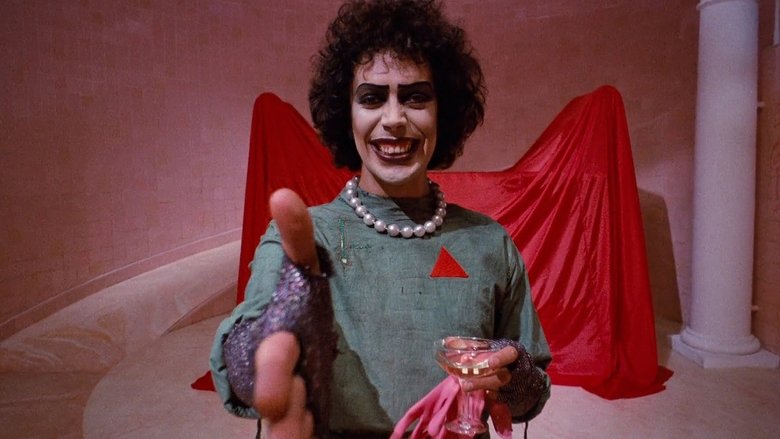
'The Rocky Horror Picture Show' is less a movie and more of a cultural phenomenon, a gloriously campy, sexually charged musical tribute to B-movies. Tim Curry's Dr. Frank-N-Furter is an iconic figure, leading a cast of eccentric characters in a night of wild abandon. This film practically invented the concept of audience participation, with viewers dressing up, shouting lines, and throwing props during screenings. It's a celebration of individuality, transgression, and pure, unadulterated fun. While its themes of sexual liberation and gender fluidity were quite scandalous for its time, they've made it a beloved and enduring cult classic. The film has been in continuous release for longer than any other film in history, thanks to its dedicated fanbase.
10. Mulholland Drive (2001)
David Lynch's 'Mulholland Drive' is a complex, dreamlike puzzle box of a film that defies easy categorization. What starts as a seemingly straightforward noir mystery involving an aspiring actress (Naomi Watts) and an amnesiac woman (Laura Harring) quickly devolves into a labyrinthine exploration of Hollywood's dark side, shattered dreams, and fractured identities. The film is renowned for its non-linear narrative, unsettling symbolism, and ambiguous ending, which has fueled countless theories and discussions among cinephiles. It's a film that demands active engagement from its audience, inviting them to piece together its fragmented reality. Originally conceived as a TV pilot, its transformation into a feature film allowed Lynch even greater creative freedom to craft its surreal vision.
9. Blue Velvet (1986)
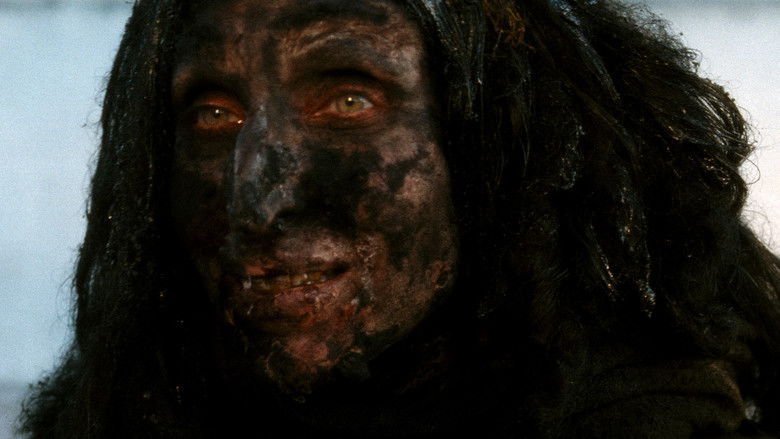
David Lynch's 'Blue Velvet' is a masterpiece of neo-noir surrealism, plunging audiences into the dark underbelly of a seemingly idyllic small town. Kyle MacLachlan's Jeffrey Beaumont discovers a severed ear, leading him into a dangerous world involving the enigmatic lounge singer Dorothy Vallens (Isabella Rossellini) and the terrifying, gas-huffing psychopath Frank Booth (Dennis Hopper in a truly iconic, disturbing role). Lynch expertly contrasts the wholesome facade of Lumberton with its hidden depravity, creating a sense of unease and psychological tension. The film's dreamlike atmosphere, unsettling imagery, and unsettling musical score are quintessential Lynch. Hopper's portrayal of Frank Booth was so intense that many actors were reportedly intimidated by him on set.

8. Fear and Loathing in Las Vegas (1998)
Terry Gilliam's 'Fear and Loathing in Las Vegas' is a surreal, hallucinatory trip into the heart of the American Dream's dark underbelly, based on Hunter S. Thompson's iconic novel. Johnny Depp is utterly brilliant as Raoul Duke, a journalist on a drug-fueled assignment with his attorney Dr. Gonzo (Benicio Del Toro) through 1970s Las Vegas. The film is a visual and auditory bombardment, perfectly capturing the chaotic, paranoid, and often hilarious experiences of its protagonists. It's not a film with a traditional plot, but rather a series of bizarre encounters and drug-induced philosophical ramblings. Gilliam's unique visual style perfectly complements Thompson's gonzo journalism, making for a truly unforgettable and disorienting cinematic experience.
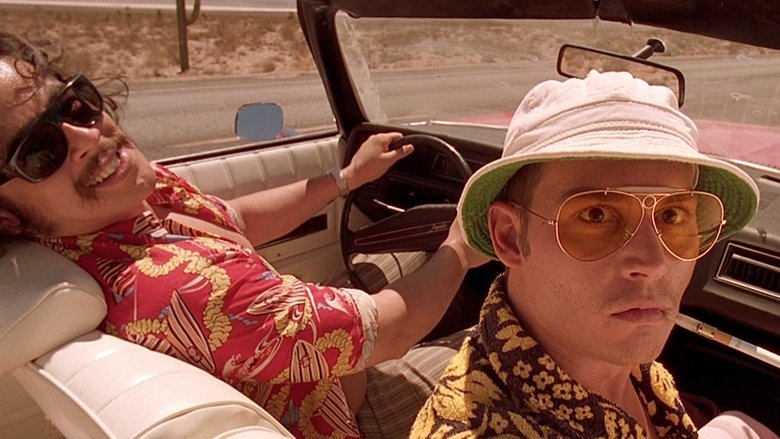
7. Natural Born Killers (1994)
Oliver Stone's 'Natural Born Killers' is a frenzied, hyper-stylized satire of media sensationalism and violence. Woody Harrelson and Juliette Lewis play Mickey and Mallory Knox, a pair of psychopathic lovers who embark on a murder spree, becoming media darlings in the process. The film is a relentless assault on the senses, employing a kaleidoscope of film stocks, animation, and editing techniques to mimic the chaotic nature of television and public obsession. It's a deliberately provocative film that forces audiences to confront their own complicity in consuming violent entertainment. Quentin Tarantino originally wrote the story, but Stone heavily rewrote the script, leading to a significant creative difference between the two.
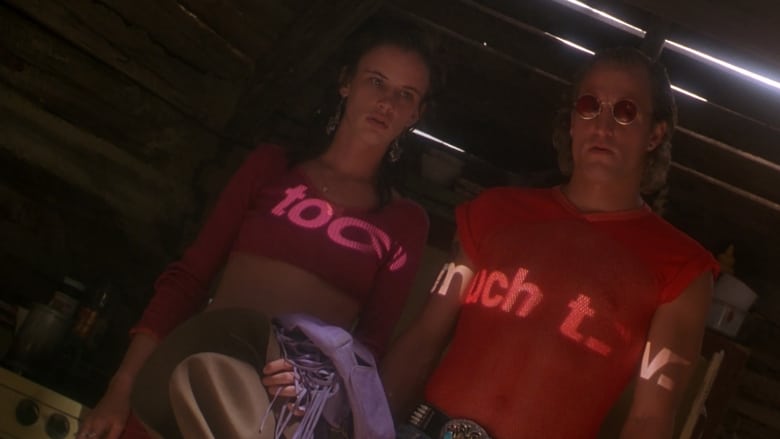
6. Donnie Darko (2001)
Richard Kelly's 'Donnie Darko' is a head-scratching, deeply atmospheric dive into suburban angst, time travel, and destiny. Jake Gyllenhaal's performance as the titular troubled teenager, haunted by visions of a giant rabbit named Frank, is captivating. The film's complex narrative, blending science fiction with psychological drama and a touch of horror, has made it a favorite for those who love to dissect and debate movie meanings. It's a film that invites multiple interpretations and rewards repeat viewings. The chilling soundtrack, featuring iconic 80s tunes, adds another layer to its unsettling charm. It initially struggled at the box office but found its audience on DVD, solidifying its place as a cult phenomenon.

5. Trainspotting (1996)
Danny Boyle's 'Trainspotting' is a raw, energetic, and darkly humorous look at a group of heroin addicts in Edinburgh. Ewan McGregor's Renton delivers iconic monologues and an unforgettable 'Choose Life' speech that perfectly encapsulates the film's cynical yet strangely optimistic spirit. The film doesn't shy away from the brutal realities of addiction, but it also infuses the narrative with a punk rock attitude, surreal sequences, and a killer soundtrack that perfectly captures the mid-90s zeitgeist. It's a film that's both shocking and strangely endearing, showing the camaraderie and betrayals within this dysfunctional group. The famous 'toilet scene' is a testament to the film's willingness to go to extreme lengths to make its point.

4. Fight Club (1999)
David Fincher's 'Fight Club' is a mind-bending, anti-consumerist anthem that struck a chord with a generation. Edward Norton's insomniac narrator finds his mundane life turned upside down by the charismatic and anarchic Tyler Durden, played with electrifying intensity by Brad Pitt. The film is packed with philosophical musings, dark humor, and unexpected twists that challenge societal norms and the very concept of identity. Its themes of masculinity, rebellion, and the search for meaning in a material world resonate deeply. The iconic 'first rule of Fight Club' is just the beginning of this wild ride. It's a film that demands multiple viewings to fully unravel its intricate layers. Did you know that the famous 'I want you to hit me as hard as you can' scene was actually the first time Pitt and Norton had ever met?
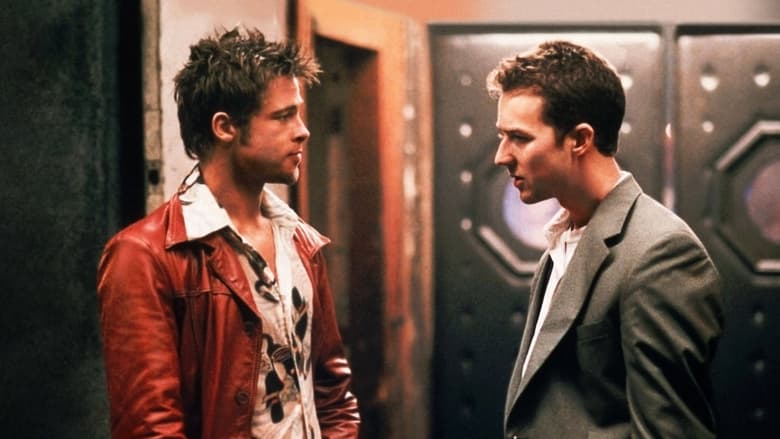
3. Requiem for a Dream (2000)
Darren Aronofsky's 'Requiem for a Dream' is an unflinching and powerful depiction of addiction that will stay with you long after the credits roll. Through the intertwined stories of four characters, the film showcases the devastating impact of substance abuse on dreams and lives. Ellen Burstyn's performance as Sara Goldfarb, a lonely widow who becomes addicted to diet pills, is particularly heartbreaking and earned her an Academy Award nomination. The film's innovative editing and relentless pacing amplify the characters' descent into despair, creating an almost suffocating sense of urgency and hopelessness. It's a difficult watch, but an incredibly important one, serving as a stark warning about the insidious nature of addiction. The intense 'hip-hop montage' editing style, featuring rapid cuts and sound effects, became a signature element of Aronofsky's early work.

2. American Psycho (2000)
Christian Bale delivers a truly transformative performance as Patrick Bateman in 'American Psycho,' a film that's as darkly comedic as it is disturbing. This isn't just a slasher film; it's a biting satire of 1980s yuppie culture and consumerism, wrapped in a psychological thriller. Bateman's meticulous routines, his obsession with designer labels, and his internal monologues are both hilarious and terrifying. The film cleverly blurs the line between reality and hallucination, leaving audiences questioning what truly happened. It's a masterclass in unreliable narration. Mary Harron's direction is sharp, creating a world that's glossy on the surface but rotting underneath. Bale reportedly stayed in character even off-set, which certainly contributed to the chilling authenticity of his portrayal.

1. A Clockwork Orange (1971)
Stanley Kubrick's 'A Clockwork Orange' is a chilling, thought-provoking journey into a dystopian future that continues to spark debate decades after its release. Malcolm McDowell's portrayal of Alex DeLarge is nothing short of iconic, a charismatic yet utterly reprehensible character who undergoes a controversial experimental aversion therapy. The film's stylized ultra-violence and unsettling psychological themes push boundaries, forcing viewers to confront questions about free will, societal control, and the nature of good and evil. Its distinctive visual aesthetic, from the droogs' bowler hats to the futuristic interiors, is instantly recognizable. Did you know that the film was withdrawn from circulation in the UK for many years at Kubrick's own request due to public outcry and perceived copycat crimes? This only added to its mystique and solidified its status as a quintessential cult classic.