Título de la Película
Watchlist
Watched
Liked
Disliked
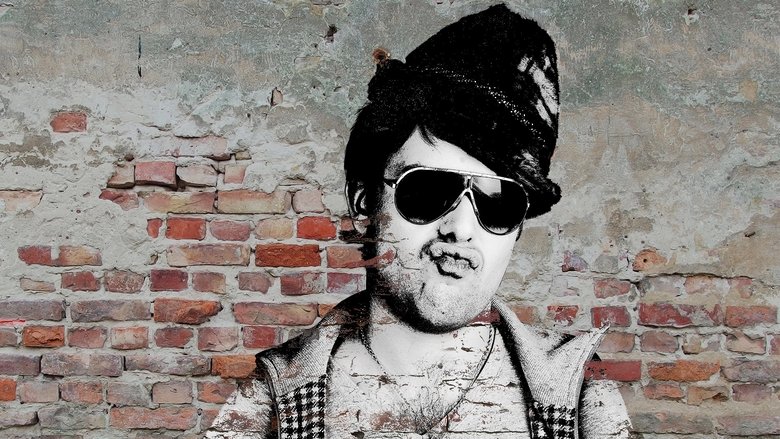
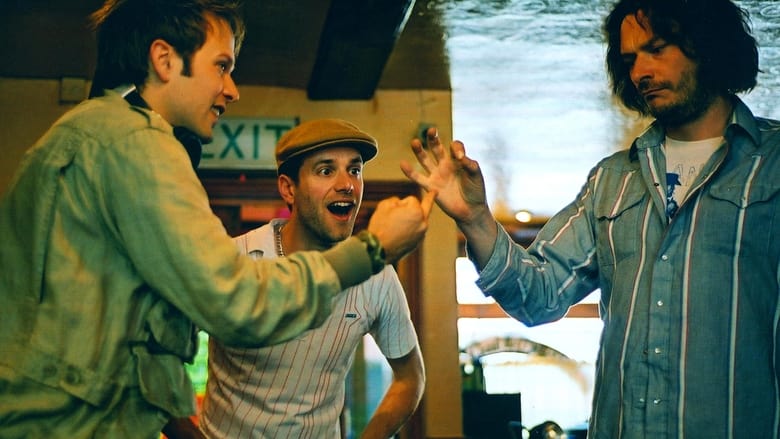





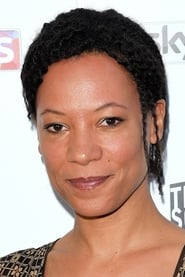
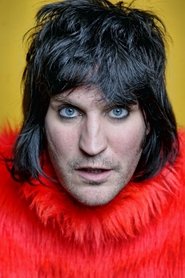
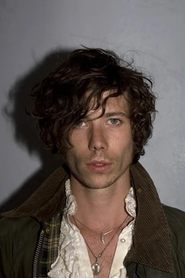

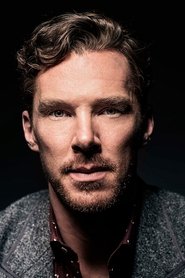

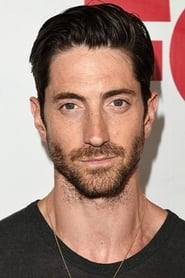
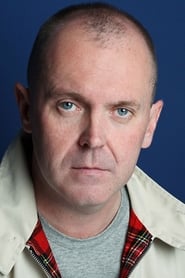


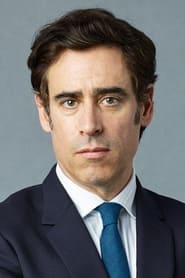
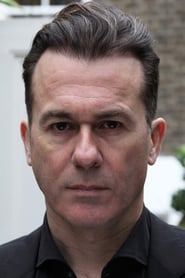


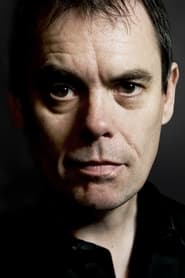
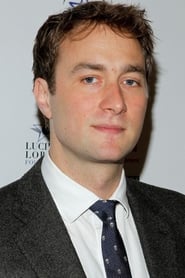

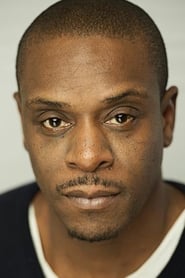
In the final episode, Nathan finds his way into Claire's meeting with a TV commissioner, Pingu is finally broken like a rag doll and Dan discovers a way to get rid of Nathan.
Baffled human wreck Dan Ashcroft watches in horror as his world is over-run with 24 carat berks, led by a strutting, brainless cock-of-the-walk called Nathan Barley, who, distressingly, has designs on Dan's sister Claire.
Dan is canonised against his will, while Nathan throws a party for his God-defeatingly rubbish website and oozes closer to Claire.
While Dan is plagued by a shrieking twit of a photographer called 15Peter20, Nathan grooms Claire with alcohol and unsolicited breast massage.
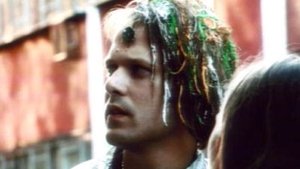
Dan accidentally creates a new hairstyle after sleeping in paint. Nathan tries to impress glam TV chick Dajve ""dave"" Bikinus. Something is killed.
Editor Jonatton wants Dan to take part in some straight-on-straight gay action. A coke-blasted model proves an irresistible lure for Nathan.
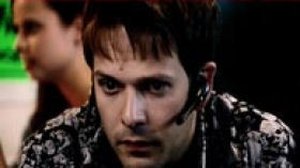
In the final episode, Nathan finds his way into Claire's meeting with a TV commissioner, Pingu is finally broken like a rag doll and Dan discovers a way to get rid of Nathan.